General
Trump Didn’t Break the Republican Party. He Harnessed It.
During the tense leadership vote on Jan. 3 over who would lead the 119th Congress, Speaker Mike Johnson pulled aside two members of the Freedom Caucus who were refusing to back him — Ralph Norman of South Carolina and Keith Self of Texas — and …
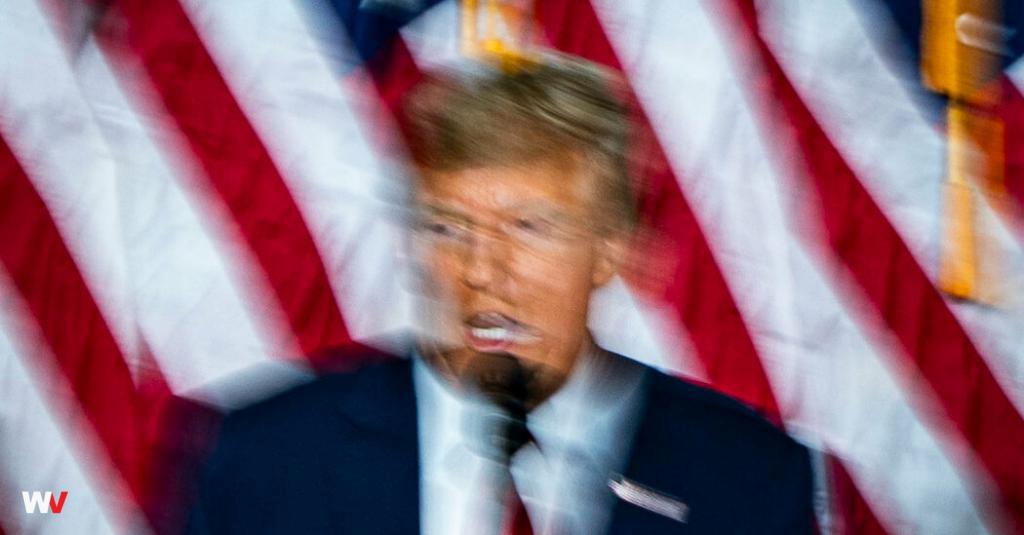
During the tense leadership vote on Jan. 3 over who would lead the 119th Congress, Speaker Mike Johnson pulled aside two members of the Freedom Caucus who were refusing to back him — Ralph Norman of South Carolina and Keith Self of Texas — and ushered them into the anteroom off the floor of the House, where Representative Nancy Mace of South Carolina turned on her speakerphone: The president-elect was on the line. Having interrupted his golf game for this conversation, Donald Trump told both legislators in no uncertain terms that Mr. Johnson was the best man for the job. Minutes later, they returned to the chamber and switched their votes.
The phone call was a revealing window into how Mr. Trump wields political power. For all the talk about his being a renegade and a one-man wrecking ball, he displays a clear appreciation of the centrality of party to American government. From his first term through today, he has worked hard to ensure that he and Republican lawmakers move in lock step. While the vision he unveiled during his Inaugural Address relied heavily on executive action, he will need help from Congress to deliver on campaign promises like tax cuts and a sweeping crackdown on immigration. The tactics he employed during his first term offer clues to how he might try to manage his party and a model that even Democrats could learn from.
Mr. Trump has long understood that the best route to push his preferred policies through a narrowly divided Senate is through the reconciliation process, which prohibits a filibuster. This is why he has focused on achieving his legislative goals in his second term through “one big, beautiful bill.” Although this strategy could easily fall apart, it suggests that Mr. Trump intends to govern as he did the last time: through an aggressive, centralized, partisan framework that deploys every procedural mechanism available to work around the Democrats and every ounce of presidential pressure possible to keep congressional Republicans in line.
None of this should come as a surprise. During his first term, despite endless commentary about his civil war with the G.O.P., Mr. Trump usually operated as a party man. Many of his greatest successes involved core Republican agenda items, such as dismantling workplace regulations and weakening union power. Though he went further in attacking free trade than many Republicans did and was softer on Russia than hawks preferred, he stayed largely within the conservative comfort zone. On key issues — supply-side tax policy, reproductive rights, climate change and immigration — Mr. Trump’s positions were aligned with where the Republican Party had been for decades. It convinced many members of the party that he would advance their interests.
Even some of Mr. Trump’s more unorthodox-seeming stances were not so aberrant. Public opinion toward China, as James Mann of Johns Hopkins has argued, had been hardening before Mr. Trump took office in 2017. Tactically, the party has been playing political hardball at least since the 1980s and ’90s, when Newt Gingrich weaponized routine processes — such as funding the government and raising the debt ceiling — toachieve policy and political goals while encouraging his caucus to use extraordinarily divisive language to describe Democrats.
Mr. Trump learned from Mr. Gingrich’s example, as well as the Tea Party’s threat in 2011 to send the nation into default, and built on those precedents. More than many other recent presidents, Mr. Trump was determined to be deeply involved in congressional politics. Since his victory against Hillary Clinton in 2016, he has been a constant presence on the campaign trail. Although his intervention in down-ballot elections has sometimes backfired, it has made him and his supporters a formidable electoral force, one that Republican incumbents know they must factor into their decisions about how to vote or what to say. Mr. Trump wields his immense skill at securing attention — the key commodity of modern politics — to persuade and scare legislators.