General
Toxic Families: Is Breaking Away the Answer?
More from our inbox: The Joys of a Foreign Language (or Two)Trump’s Self-Serving Platform ChangesA Long Island Militia?Understanding SlothsCredit…Lucy JonesTo the Editor: Re “Can a Drastic Cut Heal a Familial Wound?,” by Ellen Barry (Science Times …
More from our inbox:
- The Joys of a Foreign Language (or Two)
- Trump’s Self-Serving Platform Changes
- A Long Island Militia?
- Understanding Sloths
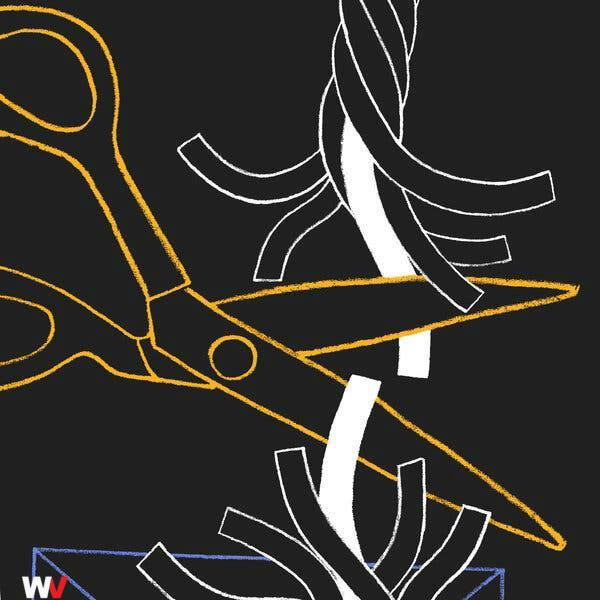
Credit…Lucy Jones
To the Editor:
Re “Can a Drastic Cut Heal a Familial Wound?,” by Ellen Barry (Science Times, July 16):
While Patrick Teahan’s promotion of estrangement as a therapeutic step might be a coping strategy that seems to provide relief and maybe even a sense of power in the short run, it is not therapy.
The purpose of therapy is to understand and resolve the many ways the parent relationship affected someone — and to understand the complicated person the parent is and why they may have acted in a way that created such pain.
Part of healthy maturity and resilience is to be able to manage complicated relationships and not see people as either good or bad, but some mix. So much is embedded in the unconscious that without looking at oneself, rather than just blaming the other person, the child is more likely to repeat unhealthy patterns going forward.
Laurie Levi
Merion Station, Pa.
The writer is a clinical psychologist.
To the Editor:
Encouraging family cutoffs, as described in this article, has been practiced by some therapists for a long time, even though it’s getting more attention now. It reflects a growing culture of hyper-individualism in which family bonds become disposable when they involve personal pain.
I once heard a college student counselor estimate that two-thirds of his student clients would benefit from walking away entirely from their families.
Many of us with decades of clinical experience have seen the regrets and emotional fallout on all sides. These “family-ectomies” are particularly disturbing whentherapists offer their clinical practice as a kind of alternative family.Profitable for the therapist and a transitory attachment for the client.