General
This Rout Is an Opportunity for Democrats
What do Democrats stand for? Over the last eight years, the answer has been simple: whatever Donald Trump is against. They have been the party of the so-called Resistance, defending institutions against a dangerous and fundamentally undemocratic …
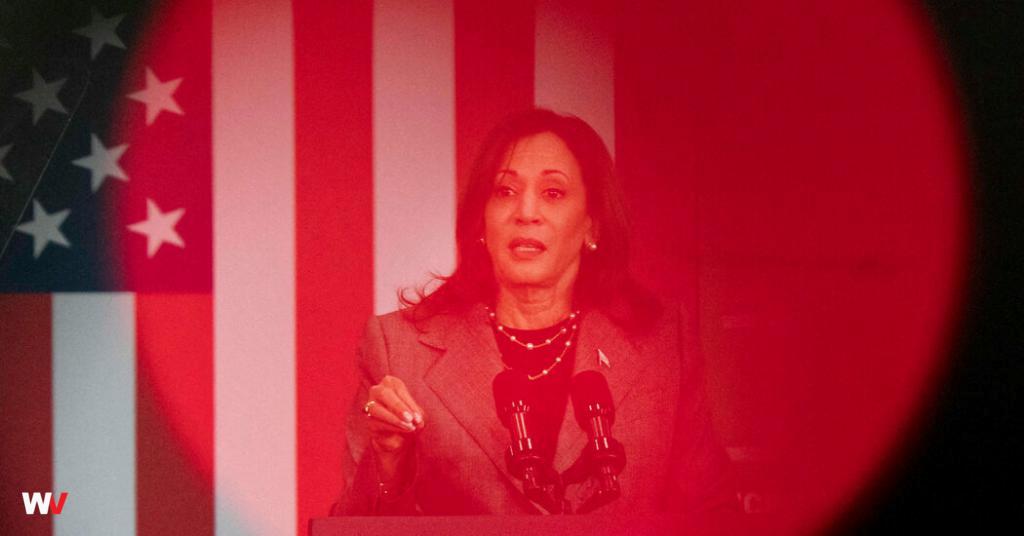
What do Democrats stand for? Over the last eight years, the answer has been simple: whatever Donald Trump is against. They have been the party of the so-called Resistance, defending institutions against a dangerous and fundamentally undemocratic movement. Two impeachments, four criminal investigations and 34 felony convictions, along with countless warnings that democracy was in peril: All of it flowed out of the conviction that Mr. Trump was a menace who couldn’t be addressed by politics as usual. It has defined what it means to be a Democrat. And it failed spectacularly this week, helping clear a path for Mr. Trump to return to the White House with a clean victory in the popular vote. This time, there’s no James Comey to scapegoat or Electoral College to blame. It’s a painful defeat — but it could also be a moment of rebirth for the party as it sets out to find a lasting Democratic majority.
The first step for Democrats is reckoning with how they got here. The origins of Resistance politics go back over a decade, even before Mr. Trump entered politics. In 2011, with Mr. Trump making headlines as the leading spokesman for birtherism, Barack Obama’s team seized the opportunity to cast him as the face of the entire Republican opposition. Years later, David Plouffe, an Obama campaign manager turned presidential adviser, explained the strategy. “Let’s really lean into Trump here,” Mr. Plouffe remembered thinking. “That’ll be good for us.”
And it was, for a while — so good that when Mr. Plouffe joined Kamala Harris’s campaign over the summer, it still seemed like the basis for a winning coalition. Democrats had reinvented themselves on policy several times over since Mr. Plouffe was in the White House, trading Hillary Clinton’s technocratic progressivism for President Biden’s attempt at a second New Deal and then pivoting back to the center with Ms. Harris. But the anti-MAGA coalition had rallied time and again, conveniently relieving Democrats of the burden that comes with deciding what to believe other than not being Mr. Trump.
But there was a price to be paid. No matter how progressive the rhetoric, Resistance politics inevitably feels conservative. It’s reactionary in a literal sense: The other side decides the terms of debate, and it usually ends with finding yet another norm under assault, a new outrage to be tutted over or another institution that needs protecting.
Whatever mistakes Ms. Harris made — and there will be plenty for the postmortems to chew over — her biggest challenges were downstream from the failure to build a Democratic identity beyond #Resistance. Commitment to stitching together an anti-MAGA coalition made it impossible to lay out the priorities that would have guided a Harris administration. There was no way to tie her policies together into a unifying vision that set her apart from Mr. Biden, no account of what Democrats learned presiding over a country that most Americans feel is on the wrong track.
This fundamental problem explains the strange incoherence of Ms. Harris’s strategy. Judge the campaign by how it was described in the press, and you’d think the chief targets were Never Trump Republicans waiting for Liz Cheney to give them permission to vote blue. Check out the ads that ran in swing states, though, and you’d hear a populist message that wouldn’t have sounded out of place coming from Bernie Sanders, filled with direct-to-camera addresses from voters saying that Ms. Harris would “cut taxes for working people like me” and “it makes me so mad that billionaires pay less in taxes than I do.”