
General
This Overlooked Michigan County Gets the Political Spotlight Every 4 Years
There is a pervasive sense in and around Saginaw, Mich., of being overlooked, even forgotten, by both industry and government. The population of Saginaw County has declined in each of the last four decades. Many of the General Motors factories that …
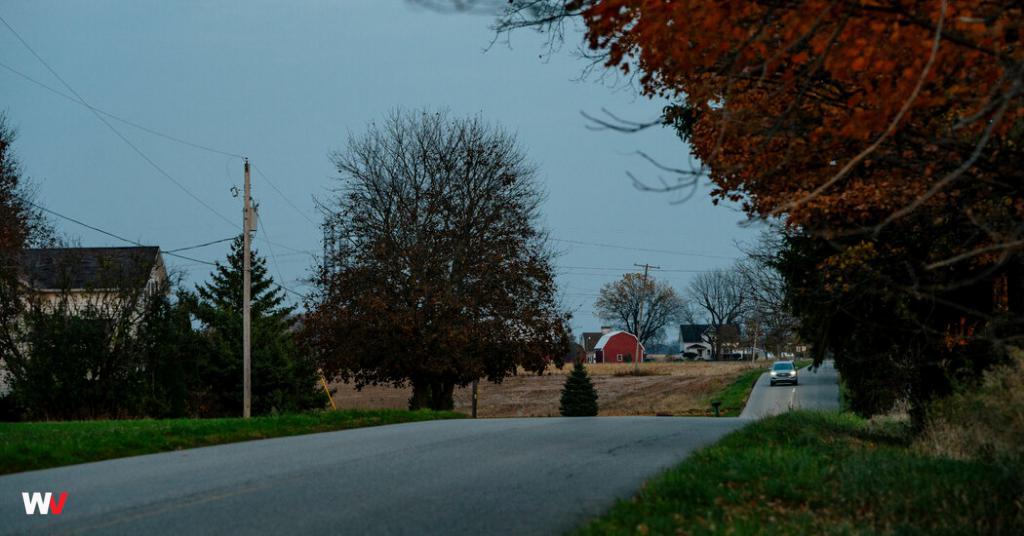
There is a pervasive sense in and around Saginaw, Mich., of being overlooked, even forgotten, by both industry and government.
The population of Saginaw County has declined in each of the last four decades. Many of the General Motors factories that gave the place an identity and thriving economy have closed. In downtown Saginaw, a city where 35 percent of residents live below the poverty line, the sidewalks are largely empty, even in the middle of a weekday.
But as Election Day looms, Saginaw County finds itself near the center of the political world. Vice President Kamala Harris visited on Monday. Senator JD Vance, the Republican nominee for vice president, held a rally there on Tuesday. And residents of the county, a bellwether that has picked the winner of the last four presidential elections, know that their votes will not only help determine who assumes the presidency, but also which party controls the House and Senate.
“On one hand, it’s very cool and it’s very unique to have so much attention on this place,” said Alex Mixter, 33, a videographer who lives in Saginaw and plans to vote for Ms. Harris. “But we need a lot more than attention. We need investments. We need things to feel normal again.”
Residents like to say that Saginaw County, population 190,000, is a microcosm of both Michigan and the country. It is racially diverse, about 68 percent white, 18 percent Black and 9 percent Hispanic. It includes a mix of farmland, small towns, thriving suburbs and struggling urban neighborhoods. Politically speaking, it is as divided as can be.
In a way, Saginaw County explains the many political crosscurrents in Michigan, a battleground with 15 closely contested electoral votes, shifting political coalitions and, perhaps most of all, a broadly shared sense of unease about the economy.