General
‘They Would Never Be Doing This Under Trump’: Two G.O.P. Foreign Policy Experts on What a Second Term Would Mean for the World
In 2016 foreign policy was the arena where a Donald Trump presidency seemed likely to be the most destabilizing. Eight years later, he is campaigning on a promise to restore peace to a world that’s grown much more violent and chaotic on President …
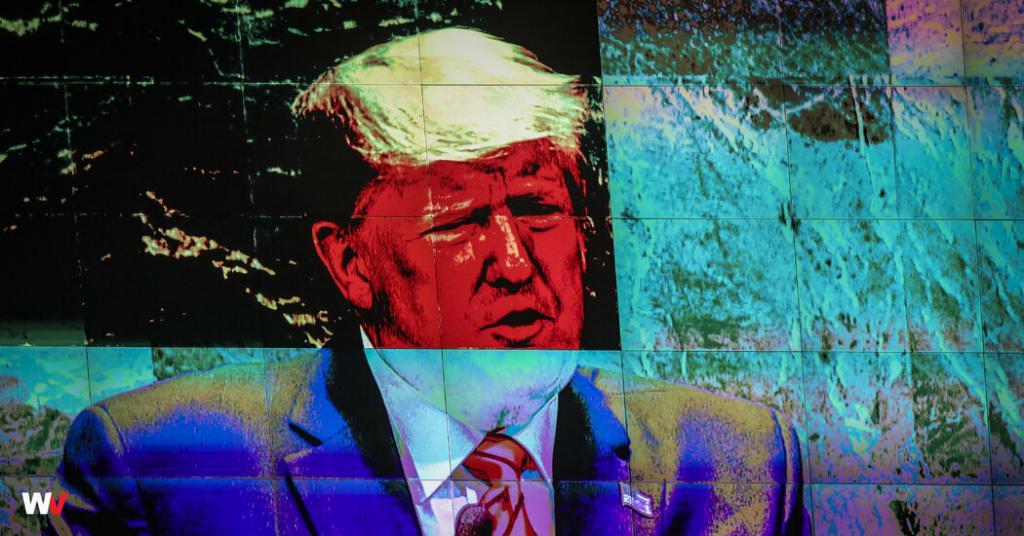
In 2016 foreign policy was the arena where a Donald Trump presidency seemed likely to be the most destabilizing. Eight years later, he is campaigning on a promise to restore peace to a world that’s grown much more violent and chaotic on President Biden’s watch.
Many Trump critics assume that any successes during his administration were achieved by his advisers and diplomats in spite of his own reckless impulses and that a Trump restoration would give those impulses freer rein — spelling disaster for U.S. alliances and the peace of the world.
More than a few Republican foreign policy professionals, however, believe that Trump 2.0 would be a continuation of his first term, showcasing a grand strategy forged with both Trumpian and traditional Republican elements.
This is a conversation with two of those professionals: Robert C. O’Brien, who served as Trump’s national security adviser in 2019 and 2020, and Elbridge Colby, who served as a deputy assistant secretary of defense in 2017 and 2018 and was an architect of the 2018 national defense strategy. (I have known Colby — who goes by Bridge among friends and colleagues — since college; I had not spoken with O’Brien before this conversation.)
Our interview has been edited for length and clarity.
Let’s start big picture. Give me your assessment of Donald Trump’s foreign policy, President Biden’s foreign policy and the differences between the two.
Robert C. O’Brien: I think if you look back at the Trump administration, the real theme was peace through strength. The idea is that a strong America will deter its foes and a weak America is provocative. And I think we maintained a very strong position — which was, frankly, an antiwar position.