
General
There Is No Way to Retreat From the Risk of Wildfires
Thirty years ago, the historian and critic Mike Davis published “The Case for Letting Malibu Burn,” a classic essay that questioned the vast resources spent fighting fires and rebuilding mansions in a setting that was certain to burn again. Mr. Davis …
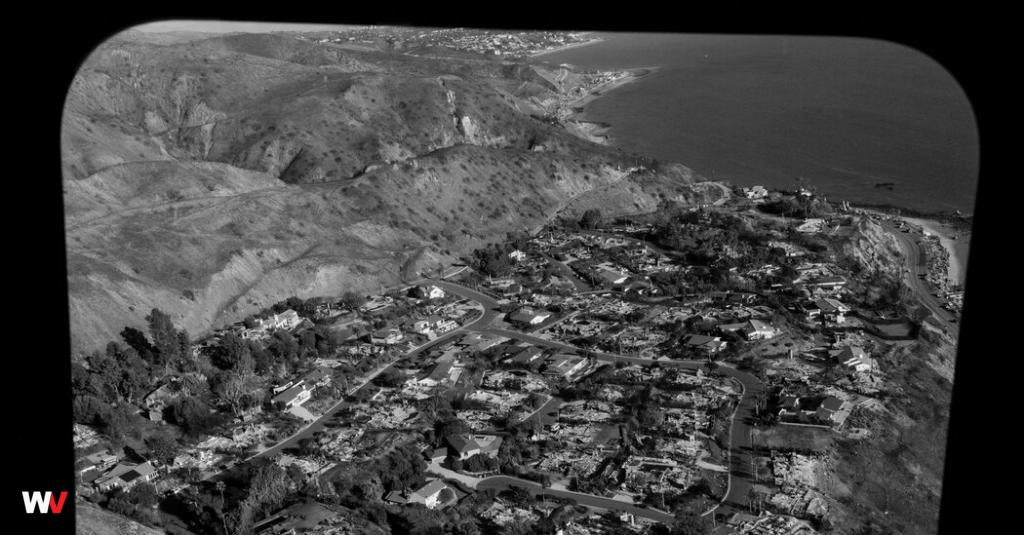
Thirty years ago, the historian and critic Mike Davis published “The Case for Letting Malibu Burn,” a classic essay that questioned the vast resources spent fighting fires and rebuilding mansions in a setting that was certain to burn again.
Mr. Davis’s ideas were shocking when the essay appeared, but the events of recent years have won a lot of people over to his way of thinking. After the 2021 Dixie fire in rural Northern California, a Los Angeles Times op-ed series raised the possibility of abandoning small fire-prone towns in favor of supposedly more defensible cities. Now, while wildfires burn across greater Los Angeles, some commentators are questioning the wisdom of rebuilding. Has the time come, they ask, for a “managed retreat” from wildfire?
We need a serious discussion of how to live with fire in this new era. Today’s wildfires make clear that “let it burn” is not a realistic or humane response to the destruction of homes and communities — in either urban or rural places. These wildfires also make clear that the prospect of large-scale retreat from fire risk is a fantasy. Instead, we need greater investment in preparing our buildings, and community-led experiments in new ways to protect neighborhoods.
As scholars, we have spent the past two years studying how managed retreat from wildfire might work. Known primarily as a response to floods, managed retreat typically involves government buyouts of individual properties and, sometimes, collective relocation from high-risk areas. While managed retreat is the focus of substantial research and government programs when it comes to flooding, there is scarce precedent for applying it in response to wildfires. We have found that doing so could run into many potential obstacles. In some places, retreating could make fire danger worse.
Nationwide, an estimated 44 million houses occupy what has come to be known as the wildland-urban interface, the places where housing and open spaces meet in an extremely flammable mix. This number is growing, driven partly by the dearth of affordable housing in cities. Wildfire has often been thought of as a rural or small-town problem, but changing environmental conditions are also putting cities in harm’s way, as the rise of fast firesand the recent prevalence of urban conflagrations, even in New York City and New Jersey, show.
Most retreat efforts in the United States require residents’ consent (although renters typically have less say in the process than homeowners). It’s too soon to know the wishes of people whose homes have burned in the latest fires: Will they want to return and rebuild, as has been the preference after previous wildfires, or might they want government support to re-establish themselves elsewhere?