Future
The War on Prices Hits the Campaign Trail
Vice President Kamala Harris is expected to make her pitch on Friday for tackling America’s affordability crunch, but many economists are skeptical.


In a speech today in North Carolina, Vice President Kamala Harris is expected to unveil her economic agenda.Credit…Eric Lee/The New York Times
Pocketbook politics
Stocks are rallying. Consumers are shopping despite a slowdown in the labor market. And hopes are growing for lower interest rates on the horizon.
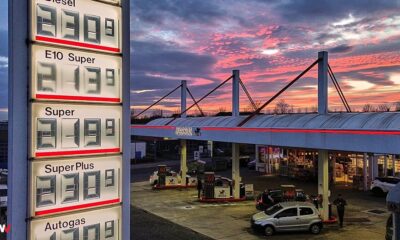
In normal presidential election cycles, the incumbent party would be boasting about such economic conditions. Instead, Vice President Kamala Harris is in a fight with Donald Trump about America’s affordability crunch, and how the candidates plan to ease the pain by targeting higher costs of everything from housing to gasoline.
Economists are skeptical about some of the proposed policy fixes. Take Harris’s plan to call for a federal ban on price gouging on groceries in a speech Friday in North Carolina, where she’ll lay out her economic agenda. (It’s worth noting that the Harris campaign hasn’t released the full details of her plan.)
Calling out companies for running up the price of, say, milk, tortilla chips and toilet paper polls well with swing-state voters and is supported by progressive groups, The Times’s Jim Tankersley and Jeanna Smialek write. In the run-up to Election Day, watch for lawmakers to amp up their accusations of corporate “greedflation.”
But economists point out a few problems with the idea, including:
-
Inflation is running above the Fed’s 2 percent target, but food prices have fallen steadily since the summer of 2022. The Consumer Price Index report for July showed a mixed bag: Meat prices were up, but dairy and cereals were down.
-
Several factors have made grocery prices volatile since the pandemic, including supply chain disruptions and a big shift in consumer buying patterns.
It’s also especially difficult to enforce price controls on the grocery sector. “It’s a highly competitive market,” Jeremy Schwartz, a senior U.S. economist at Nomura, told DealBook. “There’s not much profit margin for retailers and little wiggle room for policy to make an impact” on pricing.
“There are trade-offs with all these policies,” he added. “Typically, if you think about groceries, the trade-off could be shortages if you have price controls.”