

General
The Vaccine Discourse Is Broken
In day-to-day life, we accept that everything we do has risks. Each year thousands of people drown in their bathtubs. Thousands more are seriously injured or killed by falling from ladders. Many others precipitate a fatal heart attack by shoveling …
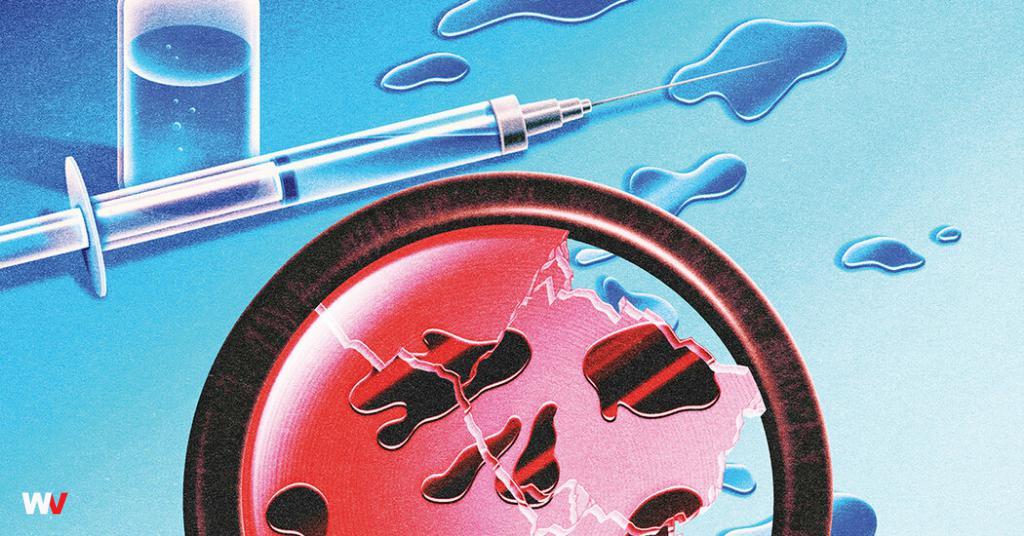
In day-to-day life, we accept that everything we do has risks. Each year thousands of people drown in their bathtubs. Thousands more are seriously injured or killed by falling from ladders. Many others precipitate a fatal heart attack by shoveling snow. We deem such risks acceptable in light of the alternative — not bathing, not climbing up things, not leaving home for weeks waiting for snow to melt.
Nowhere is this risk-benefit trade-off more explicit than in medicine. Pharmaceutical commercials remind us: You will frolic on the beach at sunset psoriasis-free, with a golden retriever, smiling into the distance. You also may experience sudden loss of cardiac function, seizures of the arms or intermittent explosive ear discharge. Talk to your doctor. We are able to hold in our heads the idea of drugs being simultaneously good and possibly harmful.
Yet for one specific class of medicine, vaccines, this discussion is deliberately being made impossible.
When researchers report an apparent side effect or adverse outcome, they can be near certain that bad actors will twist their words to undermine their meaning. Some of those bad actors will argue that side effects mean vaccines are bad for everyone. Others will say that past assurances of safety are malicious deceptions. The playbook is ageless, but only recently has such messaging come from federal officials and media figures with millions of followers. What began as an anti-establishment sentiment is now deeply established.
It’s more important than ever that accurate and nuanced discussions about vaccines can happen in the open, especially as measles and other vaccine-preventable diseases spread among communities in the United States, and the probability of future pandemics is projected to double in coming decades. But it has become difficult to do.
Take an example from last month. Researchers at Yale and Mount Sinai Medical Center released a draft of a study — which is to say, not peer-reviewed and not published — describing subtle changes in the immune system among 42 people who had experienced various symptoms after getting the Covid-19 vaccine. These symptoms included fatigue, tingling and numbness, muscle aches, brain fog and others similar to those seen in long Covid patients. The paper was clear that its findings were preliminary and should serve only to “inform future research.” It concluded modestly: “This study is early-stage and requires replication and validation.” It was the equivalent of saying to the scientific community, “Hey, I think I’m maybe seeing something? Is anyone else seeing this?”





