

Future
The Triumph of the Gobbler Sandwich
In a 1915 essay in a trade journal encouraging candy store owners to broaden their offerings with “dainty, quick lunch” options, the writer Frank B. Kahn recommended adding a “Thanksgiving Sandwich special” of turkey meat, cranberry sauce and …
In a 1915 essay in a trade journal encouraging candy store owners to broaden their offerings with “dainty, quick lunch” options, the writer Frank B. Kahn recommended adding a “Thanksgiving Sandwich special” of turkey meat, cranberry sauce and mayonnaise to menus. “Be sure this is seasoned right,” he wrote, “and advertise well.”
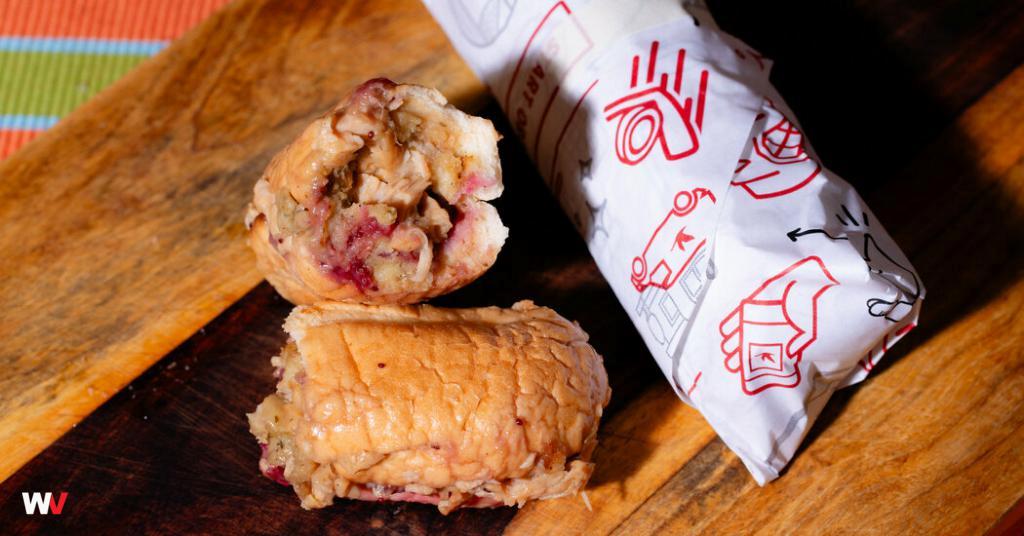
It’s doubtful Mr. Kahn could have ever imagined the Wawa Gobbler, a seasonal hoagie available at Wawa convenience stores, which dot the East Coast from Pennsylvania to Florida.
Far from dainty, this hoagie is a full Thanksgiving meal stuffed into a soft roll: tender pieces of turkey topped with herby stuffing, fuchsia cranberry sauce and a glut of tawny gravy that soaks and slicks the bread, encouraging it to congeal into one, satisfying mess of a sandwich. (The sandwich contents are also available as a bowl, over a bed of mashed potatoes.)
Whether you call it a gobbler, a pilgrim (as it’s known in New England, where it’s a common sight on restaurant menus) or just a leftovers sandwich, the tradition of piling Thanksgiving scraps onto bread has been chronicled in books and newspapers since the early 20th century, and may stretch back earlier.
The magic of the sandwich lies in how it offers a bit of portable nostalgia, thanks to the inclusion of “a specific set of standard holiday foods,” said Barry W. Enderwick, the creator of the Sandwiches of History TikTok and Instagram accounts, and the author of a new cookbook of the same name. Sure, variations exist, like mashed sweet potatoes in place of white potatoes, or a slice of gravy-soaked bread à la “the Moist Maker” popularized by the TV show “Friends,” but the main components are often untouched. “People have strong opinions about it,” Mr. Enderwick said. “People are invested in what they’ve come to understand it to be and they go to bat for it.”





