General
The Timeless Spell of Rome’s Oldest Churches
During the upcoming Jubilee year, millions of Christian pilgrims will flock to the Eternal City’s innumerable holy places. Here are five gorgeous churches that may offer a less-crowded experience.
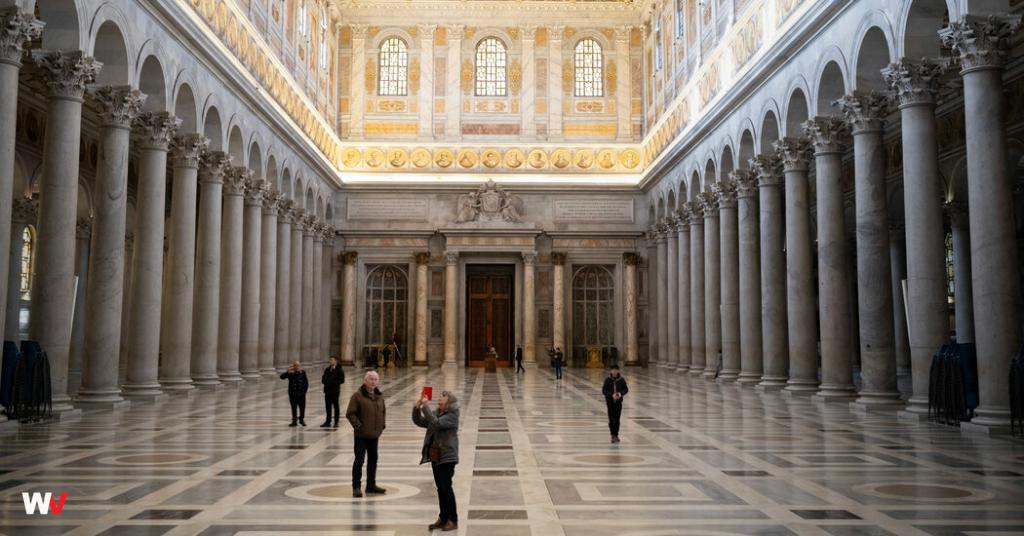
It’s a common complaint that Rome’s churches are overwhelming: There are too many, they look too much alike, their gilt and marble often speak more to the eye than the soul. During the Jubilee year of 2025, when some 30 million Catholic pilgrims are expected to flock to the Eternal City in search of spiritual forgiveness, the ecclesiastical abundance will be compounded by crowds.
On a recent trip to Rome, I came up with a way to honor the Jubilee, which begins Dec. 24, without all the people: I focused on the city’s earliest churches, the so-called paleo-Christian churches dating back to the fourth and fifth centuries. Rome accepted and then embraced Christianity during the last 150 years of the Empire — from Constantine’s legalization of the sect in 313 to the fall of the Western Empire in 476 — and more churches were built in Rome during that span of time than in any succeeding era. Many have long since been demolished or altered beyond recognition, but some of the most beautiful have miraculously kept their original structures and decoration intact.
In a week devoted to these sometimes austere, time-hallowed spaces, I summoned the spirit of the tumultuous period when an emerging faith was fused onto a tottering empire — sparing some time to enjoy neighboring sites and restaurants.
Santo Stefano Rotondo
I found the hyperacuity of jet lag to be the ideal mental state when visiting Santo Stefano Rotondo, the mid-fifth-century church-in-the-round that crowns the Caelian Hill just south of the Colosseum. But it’s not the church alone that emanates archaic holiness: The surrounding neighborhood of crumbling monuments, statue-filled parks and niche museums transported me to the dawn of Christian worship in late Imperial Rome.