

General
The Taliban’s Gender Apartheid Is a Crime
Ever since the Taliban retook control of Afghanistan in 2021 with promises that — this time — they would be more moderate, they have played a deceitful game. The Taliban government has introduced one decree after another, incrementally stripping away …
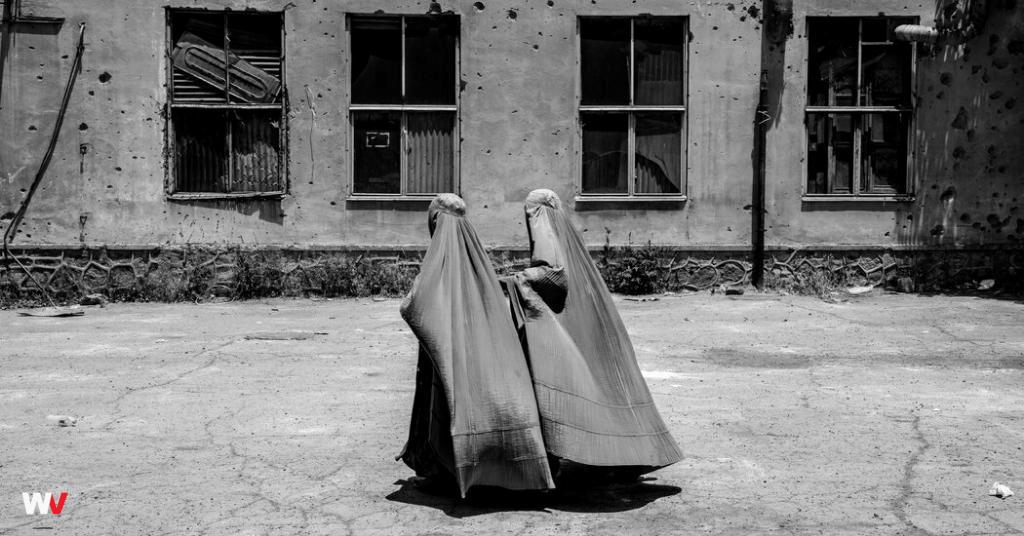
Ever since the Taliban retook control of Afghanistan in 2021 with promises that — this time — they would be more moderate, they have played a deceitful game.
The Taliban government has introduced one decree after another, incrementally stripping away the rights of women and girls to education, employment, justice, freedom of speech and movement, and it has progressively criminalized their existence outside the home. Taliban leaders reached a new low last month when they published a suite of rules that, among other restrictions, makes it illegal for a woman’s voice to be heard by male strangers in public.
Each new tightening of the screw has sparked international condemnation — but no real consequences for the Taliban. The mullahs merely wait for the outrage to subside before further entrenching their misogynist rule, undeterred by criticism, the threat of repercussions for violating international laws or even the risk of losing badly needed humanitarian aid.
But a potential new international treaty covering the prevention and punishment of crimes against humanity may finally provide the world with more legal and diplomatic leverage — and a new way to hold the Taliban to account for the repression it has unleashed upon millions of women in Afghanistan. This is an opportunity that cannot be wasted.
In October, a U.N. General Assembly legal committee will meet to decide whether the treaty should move forward to the stage of formal negotiations. The effort to create a better tool for prosecuting crimes against humanity has gained momentum because of growing alarm over conflicts in places such as Myanmar, Ukraine and Gaza, and the treaty includes a proposal to criminalize “gender apartheid.”
Fueled by the Taliban’s actions, the notion of making persons and states that implement gender apartheid liable for criminal prosecution has gained global traction. Last October, I joined nearly 100 prominent organizations, jurists and individuals, including the Nobel laureate Malala Yousafzai, Hillary Clinton and Gloria Steinem, in signing a legal brief that defines gender apartheid as the institutionalized, systematic subjugation of one gender. The brief urges U.N. member states to codify it as a crime against humanity in the proposed treaty. Many countries have indicated support for the proposal.





