
General
The Stable World Order Has Passed. What’s Next?
The world appears to be sliding toward greater chaos. The number and intensity of conflicts increased significantly in the past year, with wars in the Middle East, Europe and Africa. At the same time, uncertainty over economic policy has reached the …
The world appears to be sliding toward greater chaos. The number and intensity of conflicts increased significantly in the past year, with wars in the Middle East, Europe and Africa. At the same time, uncertainty over economic policy has reached the highest levels since the pandemic, just as trade tensions loom. Mixed with this is the rapid advancement of frontier technologies — most notably, generative A.I. — that offer the potential for economic gains but are fast becoming a front line of misinformation and competition among nations.
Discontent with the existing global system has made the disruption worse. As a result, the once relatively stable order that was in place for a quarter century after the end of the Cold War — a system marked by reflexive collaboration in security, economic and environmental crises — has passed.
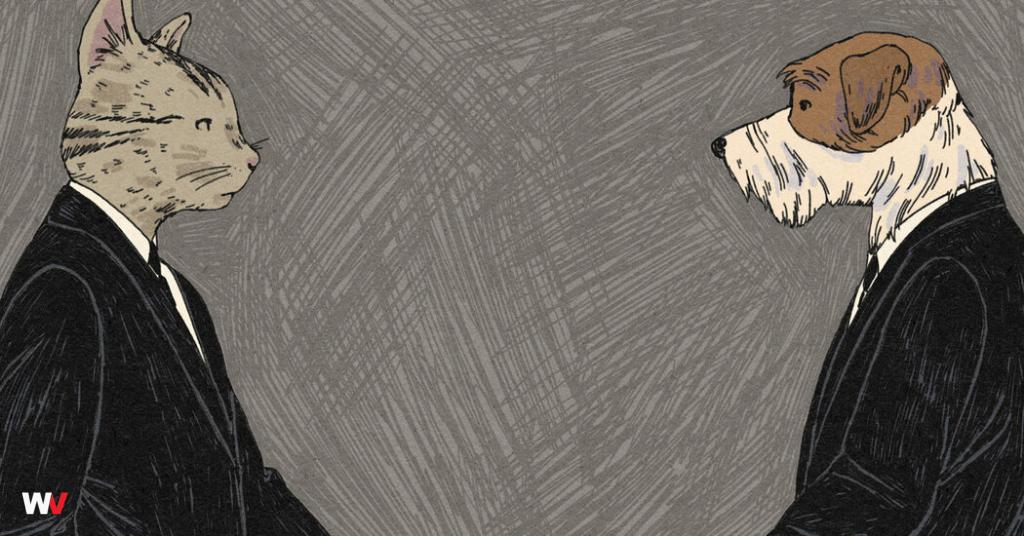
The global landscape of today is less predictable and more chaotic. But it doesn’t have to be less collaborative. Countries must embrace what I like to call disordered cooperation. Leaders should find ways to work with competitors. Countries should band together, joined by relevant parties, including corporations when it makes sense, to tackle big problems.
The world is staring at a series of grave challenges. Last year was the hottest on record. The global economy is on course for weak growth. Conflict has forcibly displaced over 122 million people around the globe. Renewed concerns about the spread of respiratory viruses are rising in both the United States and China.
These headwinds are borderless and can be addressed only through global cooperation — among allies and adversaries alike.
Though it may seem unlikely, collaboration in today’s climate is possible. Research by the World Economic Forum, which holds its annual meeting in Davos, Switzerland, next week, and McKinsey & Company finds that while global cooperation has stalled over the past three years, it is still progressing in several areas — notably the environment, health and innovation, albeit not as much as needed to achieve global goals. The takeaway is that cooperation can take place in periods of disruption and when distrust is high, as leaders work together in some areas and compete in others.