

General
The Soviet Holiday Classic Even Kremlin Skeptics Can’t Stop Watching
“The Irony of Fate” is a turn-of-the-year TV tradition that endures even in households that are now wary of Russian culture.
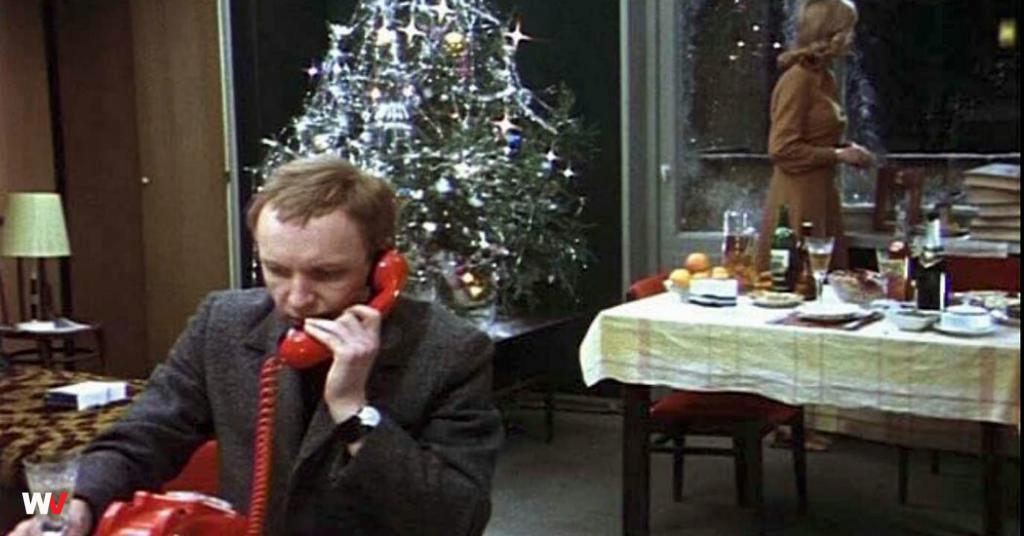
When the film “The Irony of Fate, or Enjoy Your Bath!” premiered on millions of television sets in the Soviet Union on Jan. 1, 1976, Igor Rogovyi was 9 and living in Odesa, Ukraine.
“This movie is from the depths of my childhood,” Rogovyi said. “I have very good memories of it.”
On Tuesday, as Russian speakers around the world prepare elaborate New Year’s Eve dinners, “The Irony of Fate” will be playing in the background in many homes: on TV in some countries, or via streaming services like YouTube or Smotrim, a Russian state television website.
The Russian-language movie blends romantic comedy with a subversive commentary on the state-enforced sameness of Soviet life, which gave it an edgy appeal. Despite its veiled criticism, “The Irony of Fate” was broadcast during every new year holiday, and the tradition of watching it continues today in countries that were once part of the Soviet Union, like Armenia, Belarus, Kazakhstan and Russia.
For many people who grew up in the Soviet Union or in the aftermath of its breakup, “The Irony of Fate” is to the new year holidays what “The Grinch” or “Home Alone” is to an American Christmas. But unlike those more innocent equivalents, “The Irony of Fate” has faced controversy and rejection since Russia launched its invasion of Ukraine in 2014, bringing a wave of wariness toward Russian cultural hallmarks — not least in Ukraine itself.
The film opens with a short, satirical cartoon about Soviet bureaucrats forcefully replacing idiosyncratic historic buildings with nearly identical, unadorned apartment blocks. Sameness, a major feature of Soviet urban design, is an important theme in the movie and a key factor in making its improbable plot work.