General
The Oliver Sacks I Knew and Loved Once Saw Himself as a Failure
The Oliver Sacks that most of the world knew — the one I fell in love with after we met in 2008, when he was 75 — was the beloved neurologist and the author of many best-selling books, admired worldwide. A forthcoming volume of Oliver’s letters …
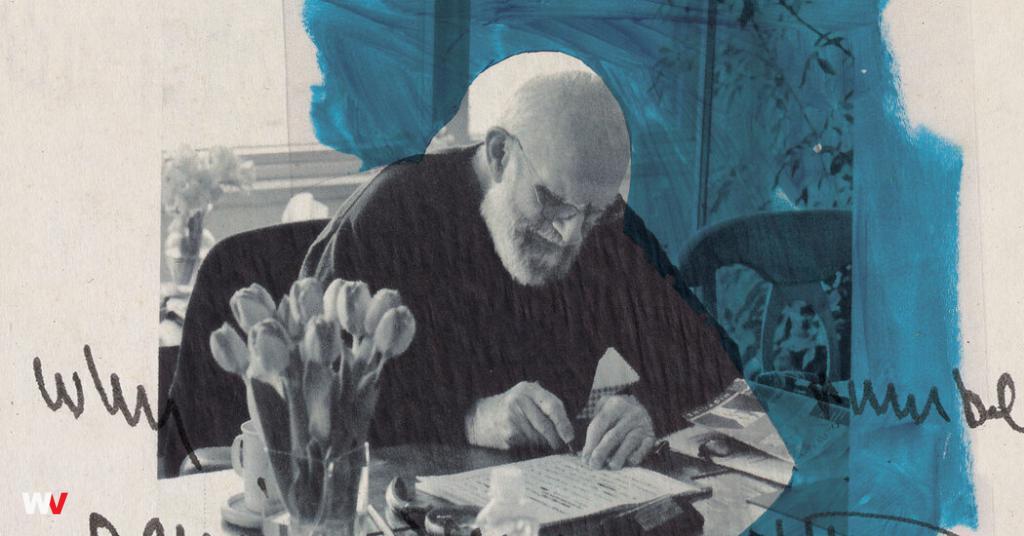
The Oliver Sacks that most of the world knew — the one I fell in love with after we met in 2008, when he was 75 — was the beloved neurologist and the author of many best-selling books, admired worldwide. A forthcoming volume of Oliver’s letters, nearly 350 of them, spanning 55 years, from age 27 to 82, provides a more complicated picture of the man often referred to in his later years as “the poet laureate of medicine.” Even I, his partner for the last six years of his life, was surprised by what I read in many of these letters, which will be published next month for the first time. (A selection of excerpts from the letters will appear below this essay.)
Episodes or stories I’d certainly heard about or read about in his autobiography “On the Move” come startlingly, vividly to life in the letters, illuminated as they are by the irrepressible now of Oliver’s voice. We are in his mind, in his thoughts, in the heat of the moment, as he bangs out letter after letter on a typewriter or with a fountain pen (Oliver never owned a computer or sent an email or text).
In 1965, a 31-year-old Oliver wrote a letter to his parents about his application for a position at Albert Einstein College of Medicine in the Bronx. The required letters of recommendation, he wrote, had been solicited and sent. Oliver, in an attempt at self-deprecating humor, included a mock quotation about him from an unnamed boss: “He arrives late, he rides a motorcycle, he dresses like a slob, but he has a good mind tucked away somewhere, and maybe you’ll have better luck with him than we have had. I like him, but he has given me a lot of gray hairs.”
He did land the job, and spent a number of years at Einstein and working at Beth Abraham Hospital, where he encountered the patients he would later write about in “Awakenings.” But he never quite found his way, made friends or fit in. In a desperate state during this period, he wrote a fevered letter to his favorite aunt, Len, wondering if, like his older brother Michael, he might be schizophrenic.
“Who am I? What sort of person am I? Under my glibness and my postures and my facades, my imitations, what is the real Oliver like? And, is there a real Oliver?” He added, “I have always felt transparent, without substance, a ghost, a transient, homeless, or outcast.”
It’s always tempting to draw a lesson from a famous person’s life. As Oliver’s partner, I have not so much a single lesson but an overwhelming sense of gratitude for our time together — the same sentiment he expressed in “My Own Life” and the other essays he wrote for The New York Times near the end of his life. But for others, the multitudes of readers who adored him and his work, there might be a message about what we think of as failure and the possibility of redemption.