

General
The Next Generation of American Scientists Is Losing Faith
America is at risk of losing a generation of scientists. Amid sweeping cuts to federal research funding by the Trump administration, job opportunities for young scientists are being rescinded, postdoctoral positions eliminated and fellowships folded …
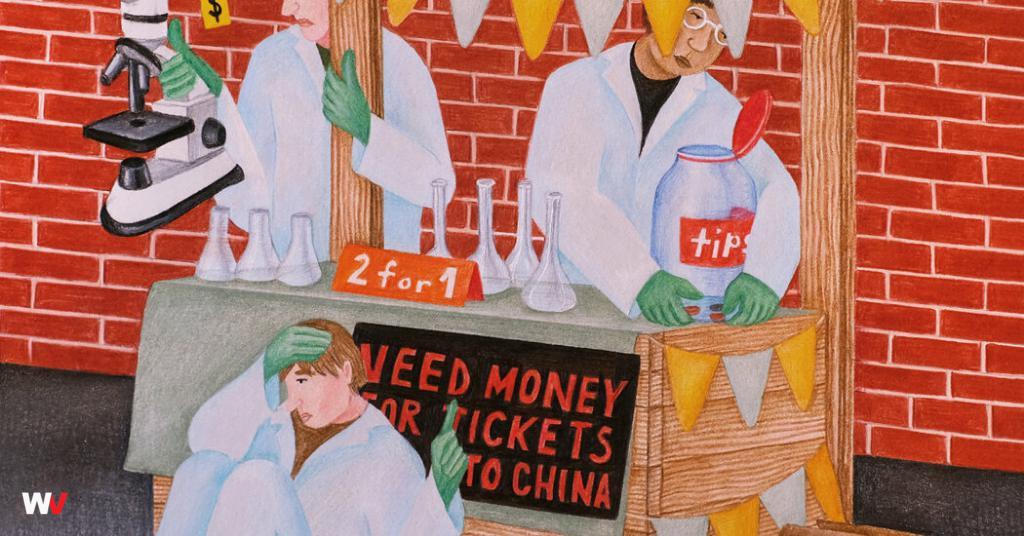
America is at risk of losing a generation of scientists. Amid sweeping cuts to federal research funding by the Trump administration, job opportunities for young scientists are being rescinded, postdoctoral positions eliminated and fellowships folded as labs struggle to afford new researchers. As countless scientific projects come to a halt, the researchers who will suffer the most are those just beginning their careers. Times Opinion has heard from more than 100 readers who’ve shared stories of how they’ve been affected.
Kristen Gram is a 22-year-old graduate student researching the type of materials and hardware that might one day help reduce the enormous amount of energy new computer processing technologies use to function. Her adviser recently warned her that federal funding cuts made it unlikely she’d secure a fellowship she needed to finish her degree.
Melanie Reuter is a 29-year-old graduate student whose work focuses on how the gut microbiome shapes human health and chronic diseases like Type 2 diabetes. She wants to find more effective ways to treat diseases, with fewer side effects. She hoped to secure federal funding to cover her education and provide a livable stipend so she could concentrate on her research. But her application for a National Institutes of Health grant meant to support diverse candidates was pulled, without explanation, in February, just days before it was scheduled for review.
Francesca Walsh, 28, is in the last six months of earning her Ph.D. in neuroscience and behavior. She wants to study how the brain functions when making economic decisions, in an effort to protect economic markets and consumers from financial harm. The postdoctoral jobs she planned to apply for have suddenly disappeared. “I felt the door of an entire sector of jobs, including federal research jobs, slam overnight,” she said. “It’s very disheartening and sometimes I wish I just became an accountant.”
Most American scientists understood a second Trump term was unlikely to be friendly to their kind, but few anticipated such a rapid bulldozing. The N.I.H. — the largest public funder of biomedical and behavioral research in the world — announced it would slash funding to universities for overhead or “indirect” costs, which often covers laboratories’ operational needs. Though legal challenges have stalled enforcement, federal grant money remains withheld in many cases. Elon Musk’s DOGE team has also turned its hatchet on the N.I.H. The agency has lost nearly one-fourth of its 18,000 employees so far because of job cuts, buyouts and some employees’ choosing early retirement, according to reporting by NPR.
Many research grants overseen by the N.I.H., the National Science Foundation, the Department of Agriculture, the Department of Energy, the Department of Veterans Affairs and other agencies are frozen or canceled. When federal money for scientific research disappears, so do the university labs that young scientists rely on as steppingstones of essential training and experience they can later apply toward projects of their own.