General
The Mpox Crisis Is Much Bigger Than Mpox
It is not easy to witness people battling an mpox infection. Fear and stigma make it difficult for patients to seek medical attention soon after symptoms arise, which include a painful rash, fever, muscle aches and sore throat. Misinformation is …
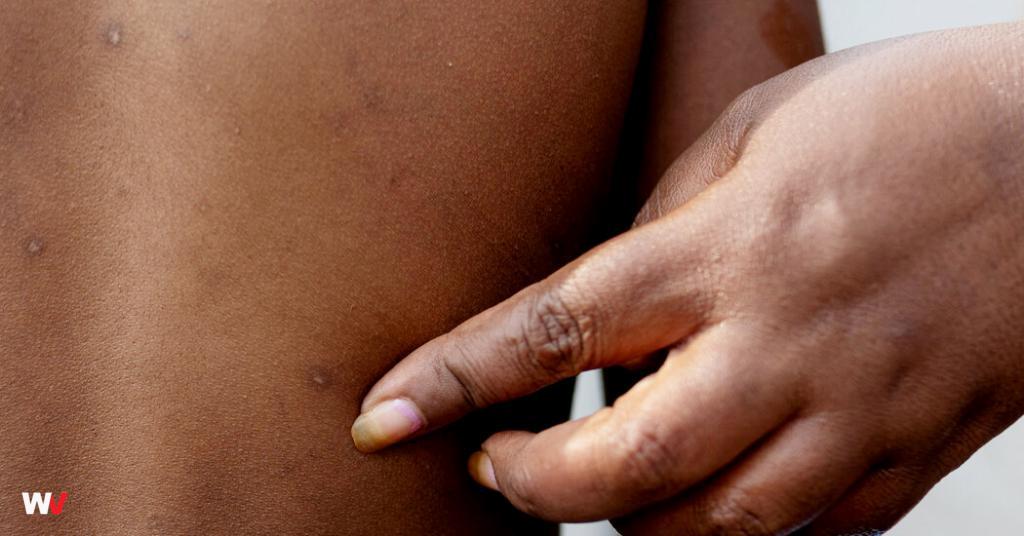
It is not easy to witness people battling an mpox infection. Fear and stigma make it difficult for patients to seek medical attention soon after symptoms arise, which include a painful rash, fever, muscle aches and sore throat. Misinformation is spreading rapidly. Doctors and other health care workers are straining to fight not just the disease as it afflicts individual patients; they are also up against larger issues they have little control over.
The resurgence of mpox has reminded the world of how dangerous this disease is for personal and community health. But less focus has been placed on the profound crises that exacerbate outbreaks like these, particularly in Africa. They are made exponentially worse because of the broader sociopolitical and economic challenges that many African countries face, exposing vulnerabilities that extend far beyond the realm of public health. Mpox is simply the latest crisis, and this cycle will not abate without meaningful action to alleviate the larger plights affecting the continent.
The Democratic Republic of Congo stands as a stark example of how a health crisis can intertwine with ongoing emergencies. The country experienced outbreaks like cholera, Ebola and Covid-19. Now it is at the center of the mpox outbreak in Africa. This year Congo has reported over 17,000 cases and over 500 deaths — the most cases and deaths in the continent — particularly in provinces like Équateur and South Kivu. These regions, already burdened by conflict, displacement and health infrastructural collapse, are grappling with the additional strain of a widespread and deadly mpox outbreak.
The emergence of a new mpox strain has added a layer of complexity to a challenging situation. Although the disease has spread predominantly because of sexual contact between adults, any physical contact can cause transmission of the virus. This means the overcrowded camps housing hundreds of thousands of people displaced by armed conflict are potential breeding grounds for a large-scale outbreak of the disease. These displaced families are grappling with the trauma of conflict, and now they must navigate the additional burden of disease.
Throughout the country, health care workers, the frontline defenders in the battle against mpox, are struggling to provide care with limited resources. Conflicts between armed insurgents and the country’s military have destroyed infrastructure and severely compromised access to essential services. In South Kivu, a region plagued by displacement and human rights violations, the situation is especially dire.
Mpox is especially dangerous to young children, many of whom have lost access to education and the safety that regular schooling offers. In Congo, over 1.1 million children under 5 years of age and approximately 605,000 pregnant or breastfeeding women faced or were expected to face elevated levels of acute malnutrition between July 2023 and June 2024. Though some patients get access to antiviral treatments, many must rely on their immune systems to fight off infection; malnutrition makes this especially challenging.