

General
The Impact of Shrinking Resources in Uganda, Seen Through a Reporter’s Eyes
After the Trump administration cut most U.S. foreign aid, a reporter wanted to understand how it would affect one of Uganda’s most vulnerable communities.
Times Insider explains who we are and what we do and delivers behind-the-scenes insights into how our journalism comes together.
Across East Africa, American aid is a lifeline.
Every year, the region receives billions of dollars in funding that delivers food in Sudan, supplies malaria treatment in Kenya and supports communities caught at the nexus of conflict and climate change in Somalia and Ethiopia. So when President Trump announced in January a freeze on American assistance, I reached out to one of the communities that quickly felt the dire effects of these cuts: Uganda’s L.G.B.T.Q. people.
As the East Africa correspondent for The New York Times, I have closely covered the plight of this population over the past two years, particularly in the wake of the passing of Uganda’s draconian anti-gay law. It prescribes the death penalty in some cases, and calls for life imprisonment for anyone who engages in same-sex relations.
In the months before and after the law took effect in 2023, gay Ugandans reported a surge in violent attacks and state-sanctioned persecution. I received calls and messages from tearful Ugandans afraid to leave their homes. I interviewed a gay rights activist who was stabbed in a homophobic attack. At a safe house in Kenya, I spent time with L.G.B.T.Q. Ugandans who fled after facing threats.
But one constant remained: American leaders, including President Biden, defended gay Ugandans. Aid flowed from the United States to help them stay healthy and safe. And the Ugandan government — despite enshrining L.G.B.T.Q. discrimination into law — ensured they had access to lifesaving medication, including H.I.V. treatment, because it contributed to controlling the spread of diseases.
By the time I arrived in Uganda’s capital, Kampala, in February, the situation had shifted dramatically. Officials with the U.S. Embassy in Uganda and the Centers for Disease Control and Prevention, who were always eager to speak on record or on background, demurred. Many of them said they were reluctant to talk or even meet in private for fear they would be fired.
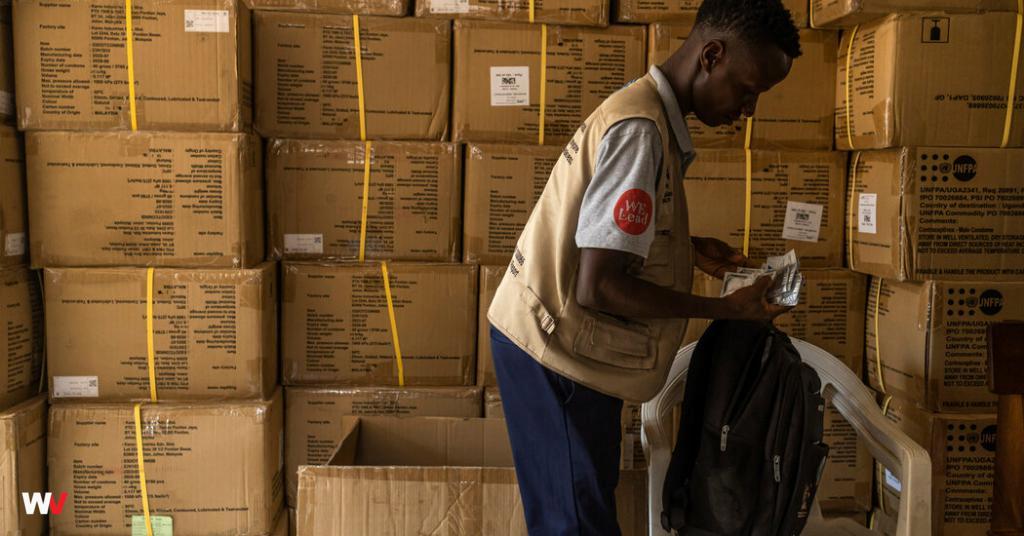
Ugandan activists were in distress, too. Offices that once held dozens of staff were now almost empty. Clinics offering critical medication were locked. And the few activists and counselors still working were deluged with frantic requests for assistance from all across this verdant nation.





