Future
The Economic Cost of a New War in the Middle East
An escalation of fighting between Israel and Iran could cause oil prices to spike and send a chill through the global economy.
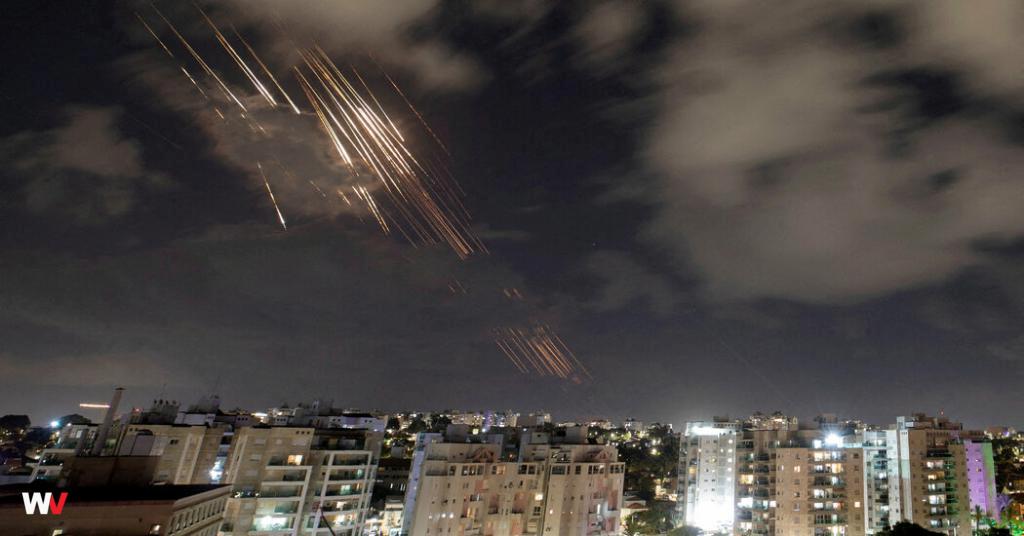

Iran’s missile attack on Israel has raised fears of a wider regional war.Credit…Amir Cohen/Reuters
What will Israel and Iran do now?
Oil prices are up again this morning after Israel vowed to retaliate against Iran for firing a barrage of ballistic missiles at the country, reviving fears that global energy supplies could be disrupted by full-scale war in the Middle East.
The big question now is how Israel and Iran will respond, and whether those actions would clamp down on oil flows from the region.
A recap: Prime Minister Benjamin Netanyahu said Iran had “made a big mistake tonight” and would “pay for it,” after Tehran fired a wave of missiles at the country that Iran said were aimed at military bases and the headquarters of Mossad. Israel said its air defenses, aided by the U.S. and other allies, had mostly intercepted the attack.
The barrage was in response to the recent assassination of leaders of Hezbollah and Hamas, groups that are backed by Iran.
Brent crude, the international benchmark, was trading above $75 a barrel today, up 3 percent and its highest level in a month. It rose more than 5 percent yesterday after the attack.
Markets are on edge about the risk of another oil shock. The price of crude has been relatively stable over the past year, apart from brief spikes, including after the Oct. 7 Hamas-led attacks on Israel. When Iran fired a well-telegraphed wave of missiles at Israel in April, it didn’t lead to prolonged price increases either. (Saudi Arabia’s oil minister has even reportedly warned that prices could drop to as low as $50 a barrel.)