Future
The Cockney Accent Is Fading, but This Dish Is Here to Stay
One evening in February, Andy Green hosted a Zoom call that made history: It was the first meeting of pie-and-mash-shop owners from across Britain. The goal was to secure a future for their humble signature dish — meat pies and mashed potatoes soaked …
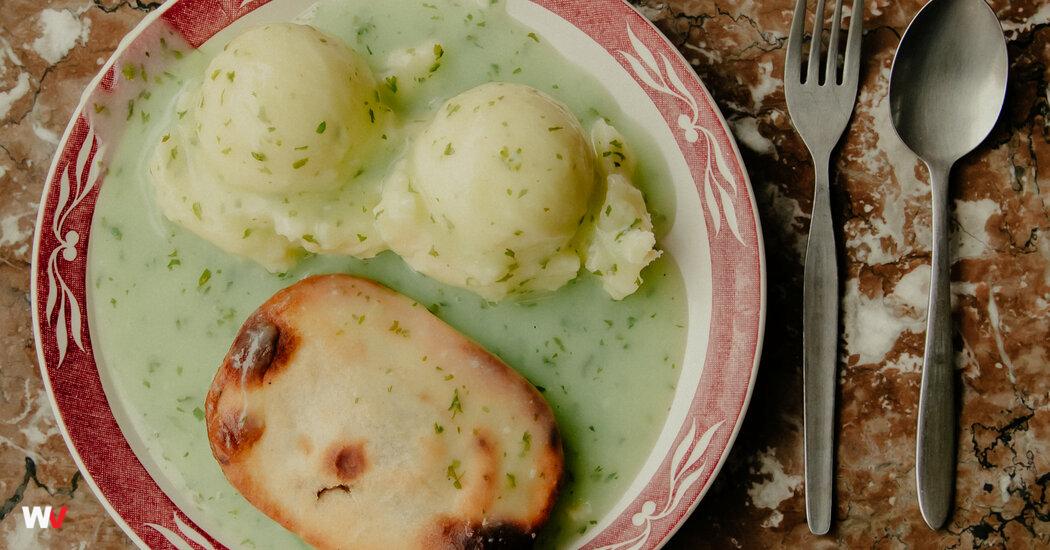
One evening in February, Andy Green hosted a Zoom call that made history: It was the first meeting of pie-and-mash-shop owners from across Britain.
The goal was to secure a future for their humble signature dish — meat pies and mashed potatoes soaked in a parsley sauce. In recent years, the gentrification of working-class neighborhoods in London, along with broader shifts in tastes, has brought pie and mash to the brink of extinction.
Devotees like Mr. Green are concerned that an essential piece of Cockney culture, tradition and heritage will be forgotten. So he’s trying to get the dish designated as a protected British food product by acquiring “traditional speciality guaranteed” status for it.
But first, 15 producers had to settle on a single recipe to support the T.S.G. application.
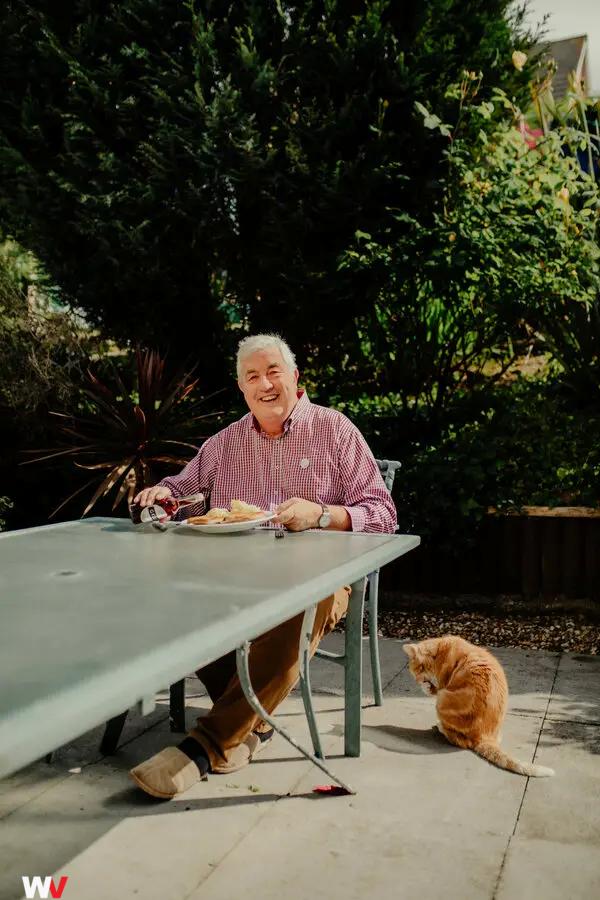
Andy Green is leading the charge to preserve the history of Cockney culture and language.Credit…Peter Flude for The New York Times
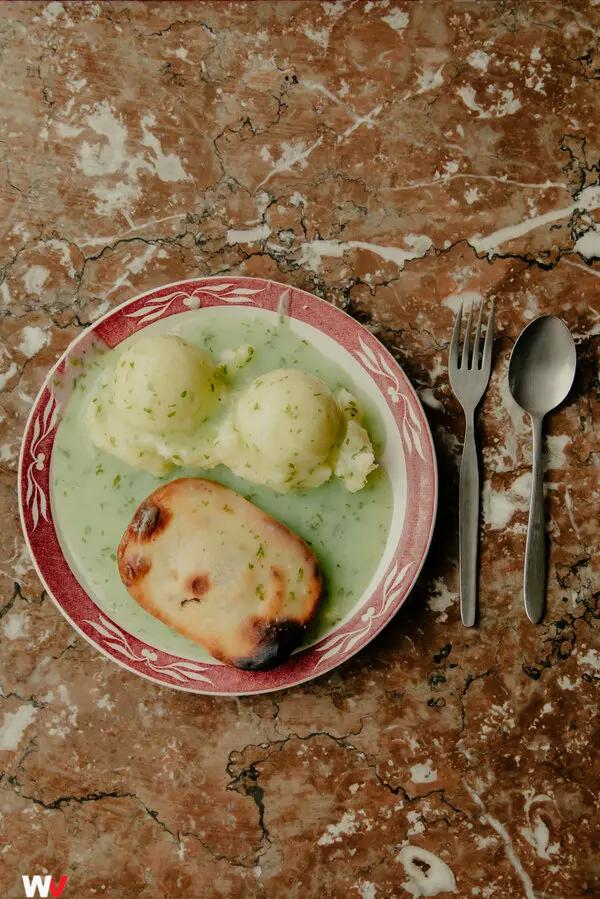
The story of pie and mash begins in the mid-19th century, when shipping docks opened in East London and the dish became a working-class food mainly made with eels.Credit…Peter Flude for The New York Times
“Some of us were concerned that we’d have to divulge family recipes as part of the process,” said Cheryl Arment, an owner of Arments Pie & Mash, which has been making the dish in Walworth, in South East London, since 1914. “We didn’t want to because that’s what makes us different from each other. So we agreed on a standardized recipe of minced beef in flaky pastry with liquor and mash.”
The British government’s Department for Environment, Food and Rural Affairsconsiders T.S.G. status on one of two grounds: if a dish’s name has been in use for longer than 30 years, or if it involves a traditional method of production. The shop owners decided to go for the second route.