

General
The al-Assad Family’s Legacy Is One of Savage Oppression
Over decades, vivid images from Syria have cemented the al-Assad family’s legacy as the brutal and savage oppression of the country’s population. As far back as 1982, photos showed devastation in places like the central city of Hama, where the al …
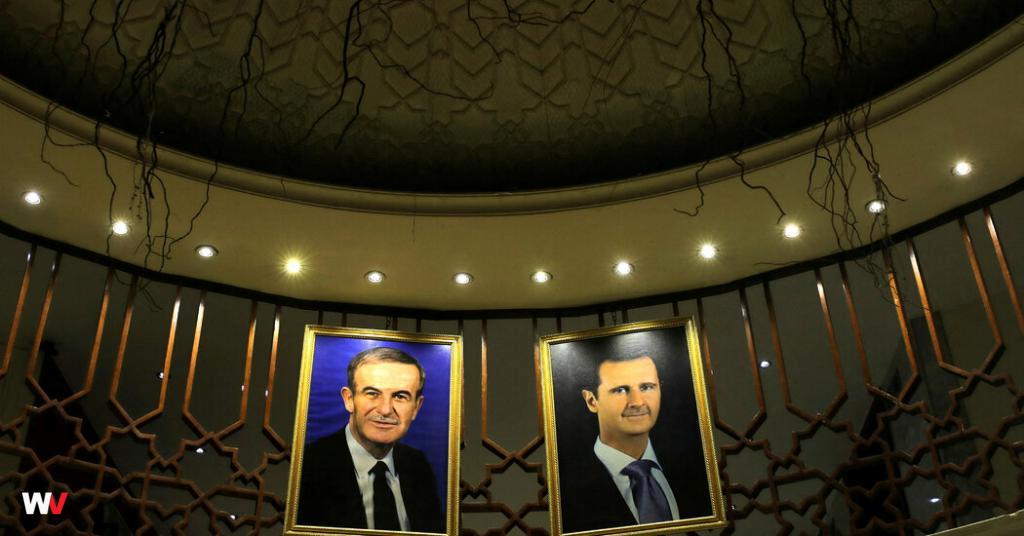
Over decades, vivid images from Syria have cemented the al-Assad family’s legacy as the brutal and savage oppression of the country’s population.
As far back as 1982, photos showed devastation in places like the central city of Hama, where the al-Assad government bombed and bulldozed a Muslim Brotherhood uprising and left an estimated 20,000 people dead beneath the rubble.
Three decades later, images emerged in 2013 of rows of ghostly pale bodies, hundreds of victims of a government chemical weapons attack on a rebellious Damascus suburb. Many of the dead were children.
That same year, a former military photographer smuggled out of Syria thousands of photographs documenting how political prisoners had been starved, beaten and at times subjected to ghastly torture — their eyes gouged out or their genitals mangled.
“These people did not care; the leadership cared nothing about the Syrian people,” said Andrew J. Tabler, a senior fellow at the Washington Institute for Near East Policy and a former U.S. government official on security issues. “They launched Scud missiles against their own people — who does that? — while the chemical weapons were a sign of just how far they would go to hold on to power.”
After World War II, Syria was known as the most unstable country in the Middle East, with at least eight coups carried out from the end of French colonial rule in 1946 until 1970. Hafez al-Assad, an air force officer, put an end to that after he seized power that year.





