General
Temporarily Disconnected From Politics? Feel No Guilt About It.
The Sunday after Election Day, Jamal Bryant, the senior pastor at the predominantly Black New Birth Missionary Baptist Church, a megachurch in Stonecrest, just east of Atlanta, issued an altar call for the Black women in attendance. Once they had …
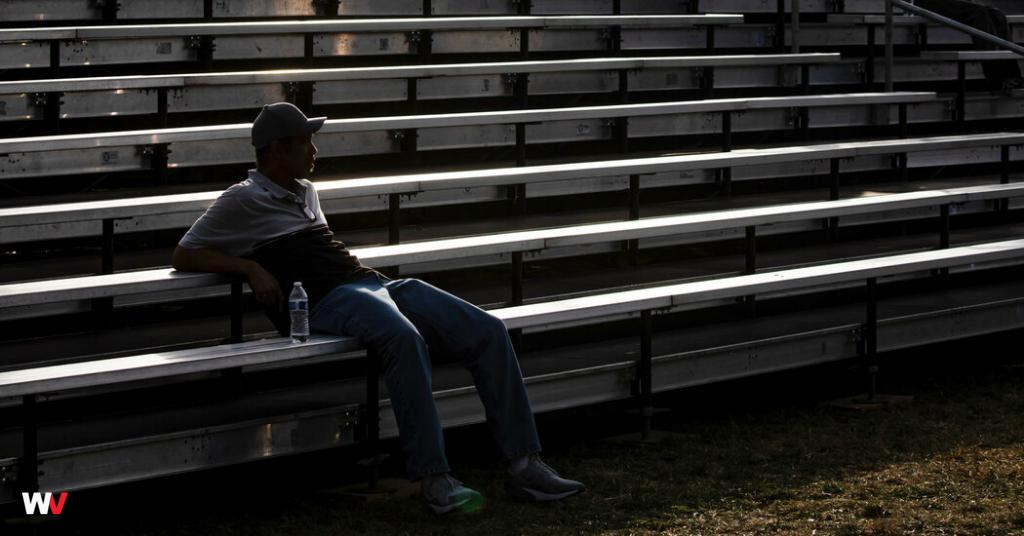
The Sunday after Election Day, Jamal Bryant, the senior pastor at the predominantly Black New Birth Missionary Baptist Church, a megachurch in Stonecrest, just east of Atlanta, issued an altar call for the Black women in attendance. Once they had come forward, the Rev. Karri Turner, Bryant’s fiancée at the time and now his wife, told them: “My words and my heart to you this morning is not to charge you to run to another fight, not to charge you to take on another issue. But my charge to you in this moment is to pause and to take a time of Sabbath.”
She added, “We’re just taking a break.”
Turner captured a sentiment that would be shared across the country. Since the election — in which, according to AP VoteCast, 89 percent of Black women voted for Kamala Harris — the idea of Black women disengaging from politics and taking time to rest has been the subject of quite a bit of news coverage and talk on social media.
But in the conversations I’ve had with liberals over the past several weeks, disengagement appears to be a more widespread phenomenon, one not confined to Black women.
Viewership of MSNBC and CNN has plunged, part of what The Washington Post describes as a “turn off the news” movement.
And when people have confessed to me that they have disengaged, oftentimes their voices drop as if the words are being ushered into the world shackled to shame.