

General
Syrians Want to Go Home, but Many No Longer Have One to Return To
Lubna Labaad walked among a flattened wasteland that was once her neighbors’ homes. The only building left standing was a mosque, a years-old message scrawled on its outer wall from when rebels surrendered control of the area to the Syrian regime …
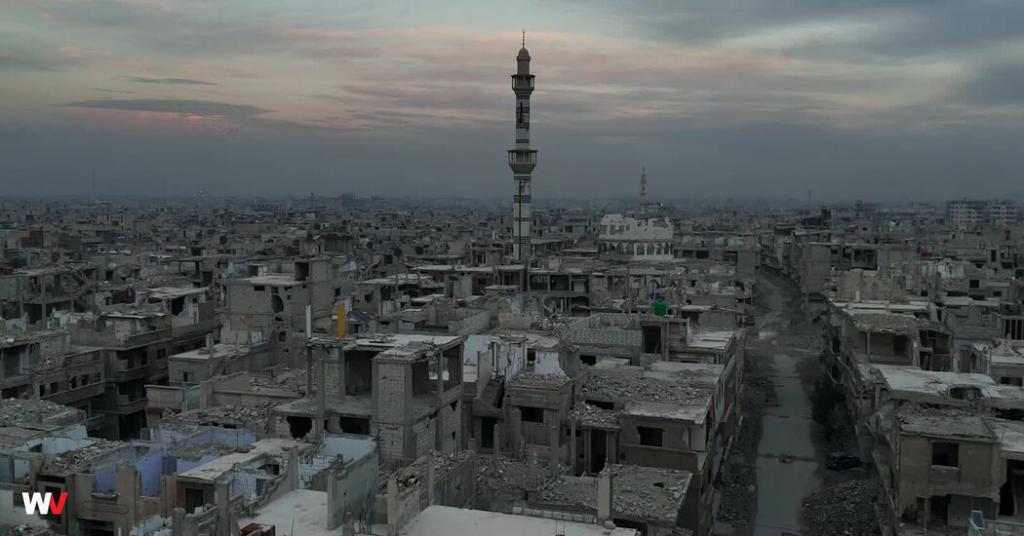
Lubna Labaad walked among a flattened wasteland that was once her neighbors’ homes.
The only building left standing was a mosque, a years-old message scrawled on its outer wall from when rebels surrendered control of the area to the Syrian regime during the country’s brutal civil war: “Forgive us, oh martyrs.”
Now, many former residents of the Qaboun neighborhood in the capital, Damascus — like Ms. Labaad, her husband, Da’aas, and their 8-year-old son — are trying to come back. After the 13-year war ended suddenly with the ouster of President Bashar al-Assad in December, the frozen front lines dividing the country melted away overnight.
“We were waiting for that very moment to return,” said Ms. Labaad, 26.
Their home is still standing but was stripped of pipes, sinks and even electrical outlets by a soldier who neighbors said had squatted there for years with his family. Still, the Labaads are luckier than many others who have returned to find nothing but rubble.
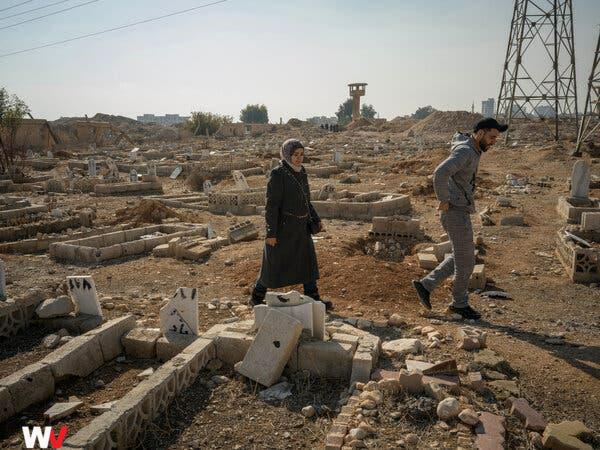
Lubna Labaad and her husband, Da’aas, visiting his father’s grave in the Qaboun neighborhood of Damascus.
Syria’s conflict forced more than 13 million people to flee, in what the United Nations called one of the largest displacement crises in the world. More than six million Syrians left the country and some seven million have been displaced inside Syria, including Ms. Labaad and her family.





