General
Syrians Celebrate the Fall of Assad, and Rebuild From Tragedy
In the days after Syria’s government fell and former President Bashar al-Assad fled to Moscow, Syrians celebrated the sudden end of a dynastic regime that had kept them in fear and poverty for five decades. In Damascus, the capital, and Aleppo, they …
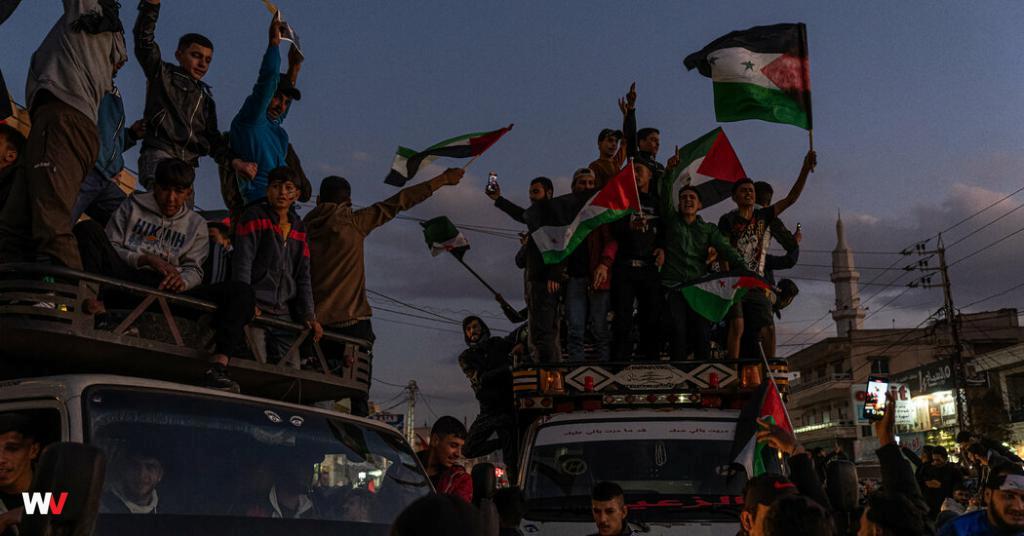
In the days after Syria’s government fell and former President Bashar al-Assad fled to Moscow, Syrians celebrated the sudden end of a dynastic regime that had kept them in fear and poverty for five decades.
In Damascus, the capital, and Aleppo, they pulled down statues and tore up portraits of the president and his father and predecessor, Hafez al-Assad. Others ransacked the presidential palace, carting away televisions, marveling over Mr. al-Assad’s collection of luxury cars and denouncing his opulent lifestyle in a country where 90 percent of the population lives under the poverty line.
The government’s fall, on Dec. 8, was the end of a brutal civil war that began in 2011, when Mr. al-Assad cracked down on peaceful pro-democracy protests during the Arab Spring. An estimated 618,000 people have died, and some 12 million — more than half the country’s population — were displaced. Anothertens of thousands more disappeared into a prison system that was notorious for its abuses.
When the rebels opened up the prisons, disoriented and emaciated prisoners emerged into the embrace of friends and family. But many Syrians waiting outside the prisons for missing loved ones did not have similar reunions and were left fearing the worst. They resorted to looking through prison manifests for familiar names or checking hospital morgues.
Families flooded back into Syria from Lebanon, where they had sought refuge during the worst of the war. They were eager to start the slow process of rebuilding from one of the darkest conflicts in modern history.
This gallery contains graphic images.