

General
Surveilling Speech Won’t Increase Birthrates
President Vladimir Putin of Russia recently signed a bill into law that will fine anyone who is promoting “child-free propaganda.” Meant both to shore up “traditional values” and to increase Russia’s tanking birthrate, it stipulates that any …
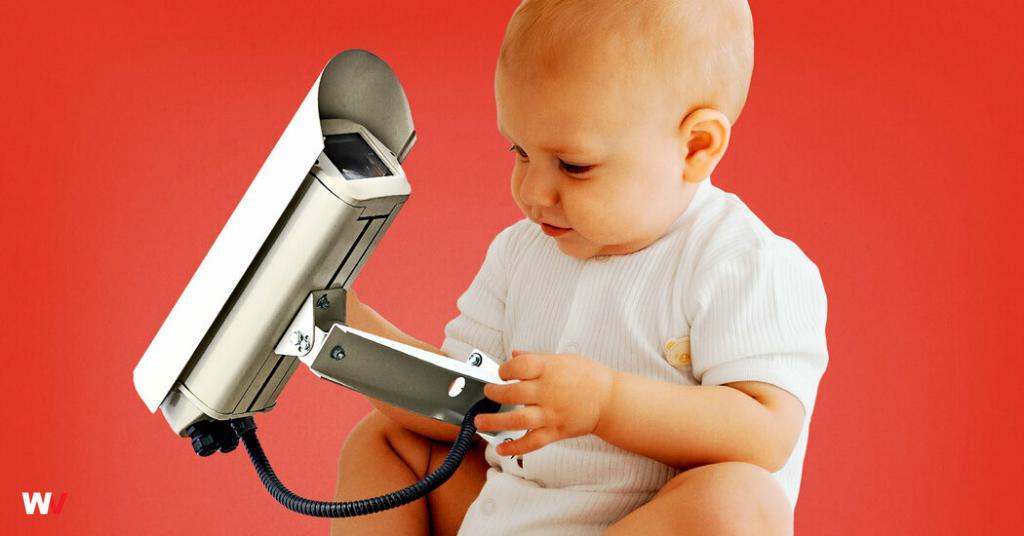
President Vladimir Putin of Russia recently signed a bill into law that will fine anyone who is promoting “child-free propaganda.” Meant both to shore up “traditional values” and to increase Russia’s tanking birthrate, it stipulates that any individual found to be disseminating such “propaganda” may be subject to fines of up to about $4,000; considering the average monthly Russian salary as of 2023 was around $800, that’s a frightening potential penalty. Companies could be fined up to about $50,000. This law joins other Russian legislation that attaches fines to expressions of support for the “international L.G.B.T. social movement,” such as posting a rainbow flag online.
The new law gives no clear examples of what “child-free propaganda” could mean. Would a single, childless Russian movie character enjoying his life be against the rules? Would a woman writing on a message board about struggling with postpartum depression be verboten? Would a parent making a video about how difficult it is to make ends meet on the aforementioned low monthly salary be penalized?
It’s not like Putin has been some great free speech champion in his near quarter-century reign, but over the past several years he has ramped up restrictions, including serious ones on online speech. The Associated Press referred to the Russian government’s suppression and surveillance of its citizens as a kind of “cyber gulag” last year. The new law on “child-free propaganda” is vague enough that some Russians are already worried about a broad interpretation. According to the independent publication Novaya Gazeta, an online community called Maternal Bliss with “nearly 150,000 subscribers where mothers anonymously spoke about the challenges of motherhood removed all its posts to avoid being charged under the new law.”
This is an extreme example from an authoritarian leader. But the idea that it’s easy to determine the emotional sentiment and political agenda behind a piece of writing is ever more common, and it’s superpowered by technology.
Perhaps I am being paranoid, but it makes me nervous to think about the way any government could clamp down on speech like this. The ever-growing claims of artificial intelligence’s ability to parse text, for instance, could be used to chill free speech and expression, and accelerate this trend.
We already have examples of our government urging the media to downplay or remove information. Mark Zuckerberg, the Meta chief executive, has claimed that an F.B.I. warning during the 2020 election inspired Facebook to suppress a news story about leaked emails from Hunter Biden’s laptop. In Florida, Gov. Ron DeSantis threatened “television stations with criminal prosecution for airing a political ad in favor of enshrining abortion rights in the state’s Constitution,” according to my newsroom colleague Patricia Mazzei, until a judge made him stop.