General
Strikes Add Another Hurdle to Already Troubled Cease-Fire Talks
The assassination of the Hamas political leader, Ismail Haniyeh, was likely to further complicate already stalled talks to reach a truce between Israel and the Palestinian armed group, officials and analysts said. Israel and Hamas have been …

The assassination of the Hamas political leader, Ismail Haniyeh, was likely to further complicate already stalled talks to reach a truce between Israel and the Palestinian armed group, officials and analysts said.
Israel and Hamas have been negotiating for months over a cease-fire proposal that would see the release of the 115 living and dead hostages still in Gaza. The talks have been mediated by Qatar and Egypt, with involvement from the United States.
One of the leading Hamas figures in the negotiations, Mr. Haniyeh saw the value in reaching a cease-fire deal for the Palestinian armed group and had pushed for breakthroughs in the talks, said two diplomats, who spoke on condition of anonymity because they were not authorized to speak publicly.
But while Mr. Haniyeh was nominally Hamas’s political chief, his influence was more limited that the title suggested. Yahya Sinwar, its leader in Gaza, wielded a decisive veto on any cease-fire proposal due to his control on the ground in the enclave, according to U.S. and Israeli officials.
The killing of Mr. Haniyeh would likely halt the talks, at least temporarily, while Hamas sought to regroup and respond to the attack, according to one of the diplomats and an Israeli official familiar with the negotiations.
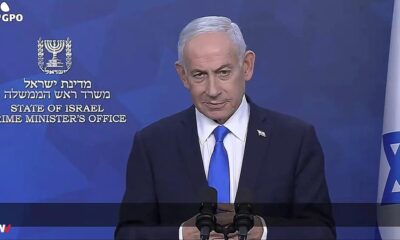
Cease-fire negotiations between Israel and Hamas to reach a deal were already troubled. Prime Minister Benjamin Netanyahu of Israel had added a series of new demands in advance of a meeting between Israeli, Egyptian, Qatari and U.S. intelligence chiefs on Sunday that appeared to bring little progress.