General
Should the President Have Nuclear Sole Authority? We Asked 530 Incoming Congress Members.
This article has been updated to include additional responses. “The trust and the temptation would be too great for any one man.” James Madison, America’s fourth president, offered these words in 1793 to explain why he and his fellow founders issued …
This article has been updated to include additional responses.
“The trust and the temptation would be too great for any one man.”
James Madison, America’s fourth president, offered these words in 1793 to explain why he and his fellow founders issued the sole authority to declare war to Congress, under Article I of the Constitution. “In no part of the Constitution is more wisdom to be found than in the clause which confides the question of war or peace to the legislature, and not to the executive department,” he wrote.
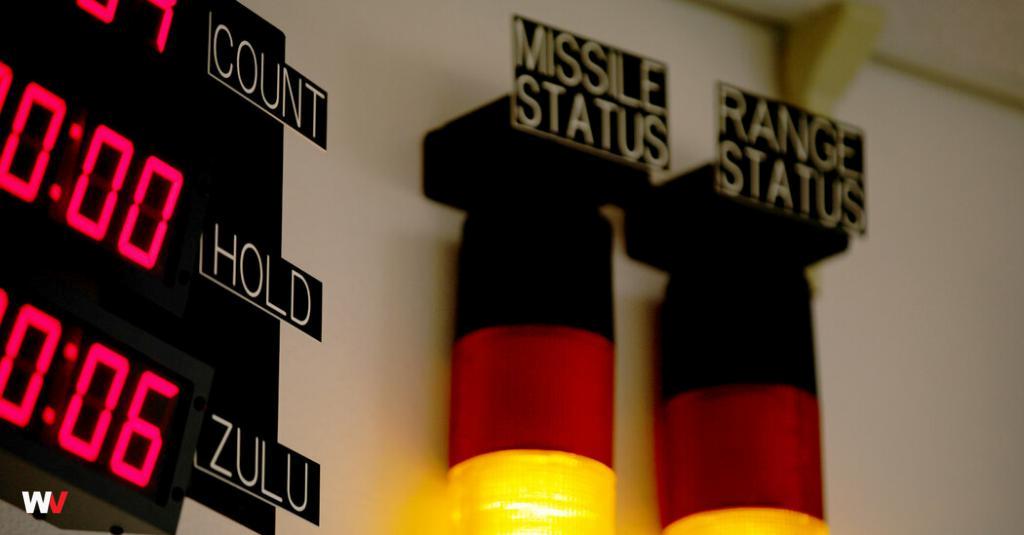
Yet since their invention, nuclear warheads have sat outside that exclusive duty of Congress to declare war. The American president today has full power over the nation’s nuclear arsenal. He can launch a pre-emptive strike any time and at any target on his command alone. A life-altering retaliation and full-fledged nuclear war would be nearly inevitable. Every president has held this power since the days after Harry Truman ordered the bombings of Hiroshima and Nagasaki.
Times Opinion last month surveyed members of the incoming 119th Congress about how they felt about this constitutional contradiction.
We sent a short list of questions to all 530 voting members of the U.S. Senate and House of Representatives who are expected to serve in the new Congress seated in January. You can read our questions in full below. The main insight from the answers we received: If there is a widespread urgency or willingness in Congress to cooperate on bills that create safeguards around nuclear war, it was not apparent.