General
Shopping for Arms? Ukraine May Soon Be Your Best Bet.
One of the first computers in Europe was invented in a bombed-out inn on the outskirts of Kyiv in 1951, when Ukraine was part of the Soviet Union. The inventors were forbidden to read Western journals, but were nonetheless tasked with matching the …
One of the first computers in Europe was invented in a bombed-out inn on the outskirts of Kyiv in 1951, when Ukraine was part of the Soviet Union. The inventors were forbidden to read Western journals, but were nonetheless tasked with matching the computing machines that the Americans and the Britons had just built.
The against-all-odds tale of that invention, captured in the book “Innovation in Isolation: The Story of Ukrainian IT from the 1940s to the Present,” helps explain why Ukraine has so many successful tech start-ups today — such as the writing assistant Grammarly and the home security system Ajax. That scrappy culture of innovation, once key to so many Soviet technological breakthroughs, is a big part of why Ukraine is still standing three years after a merciless Russian assault.
I received a copy of the book from Oleksandr Kosovan, the chief executive of MacPaw, the Ukrainian company behind the software CleanMyMac. He commissioned it to show Westerners what Ukrainian tech savvy can do. (The book is slated to be released in the United States later this month.) We met at MacPaw’s offices in Cambridge, Mass., in November, just days after the election of Donald Trump, who has threatened to cut off aid to Ukraine, suggesting that Americans can’t be counted on as the arsenal of Europe’s democracies anymore. It was a dark moment for Ukrainians. It still is. Russian drones have recently been attacking Kyiv nightly and Russian soldiers are making steady gains in the Donetsk region.
Shortly after our meeting, a missile blew out the windows of MacPaw’s offices in Ukraine. But Mr. Kosovan and his book gave me hope that Ukraine could eventually recover by building a formidable defense industry that could one day help defend Europe — and perhaps even the United States — from looming threats. If you know Ukraine’s technological history, you can understand the country’s potential as an arms innovator and even as an essential partner in building the things NATO will need in the years to come.
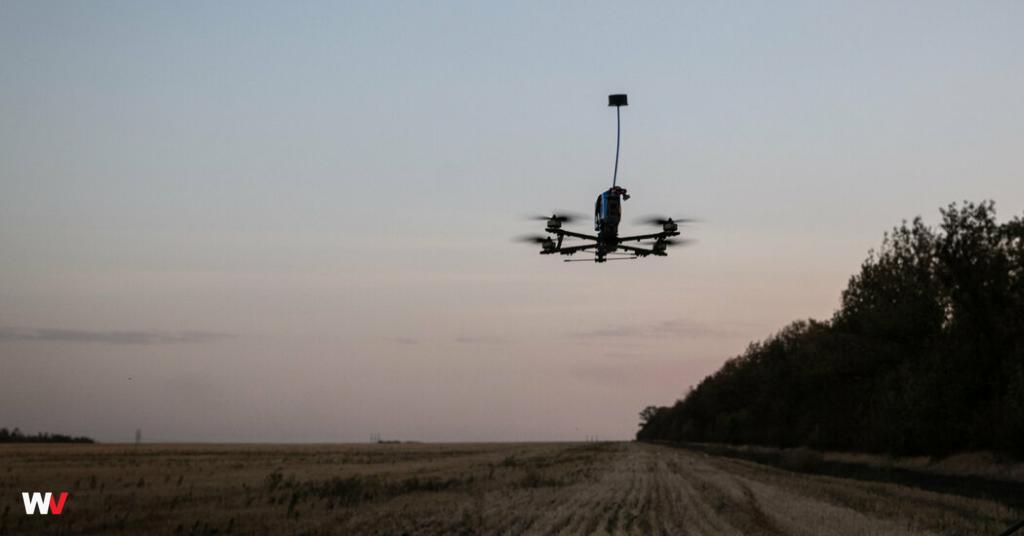
Mr. Kosovan told me about the volunteer armies of software developers and engineers who are turning cheap, off-the-shelf technology into weapons that can destroy expensive tanks and ships. To survive, Ukrainians have deployed drones that spit fire, drone-jamming backpacks that protect the soldiers who wear them and a system called Delta that gives commanders a bird’s-eye view of the battlefield, complete with friendly and enemy drones.
“Tech guys are on the battlefield,” Mr. Kosovan told me. “They know what is needed. They don’t rely on the government. They rely on volunteers that can supply something without even telling the government about it.”