General
Self-Deportation Taught Me What I Know About This Country
On Jan. 1, 2015, I self-deported from the United States, my home of more than 22 years, to return to the Philippines, where I was born and lived until the age of 9. At takeoff, sorrow overtook the terror I felt at check-in. The T.S.A. agent had …
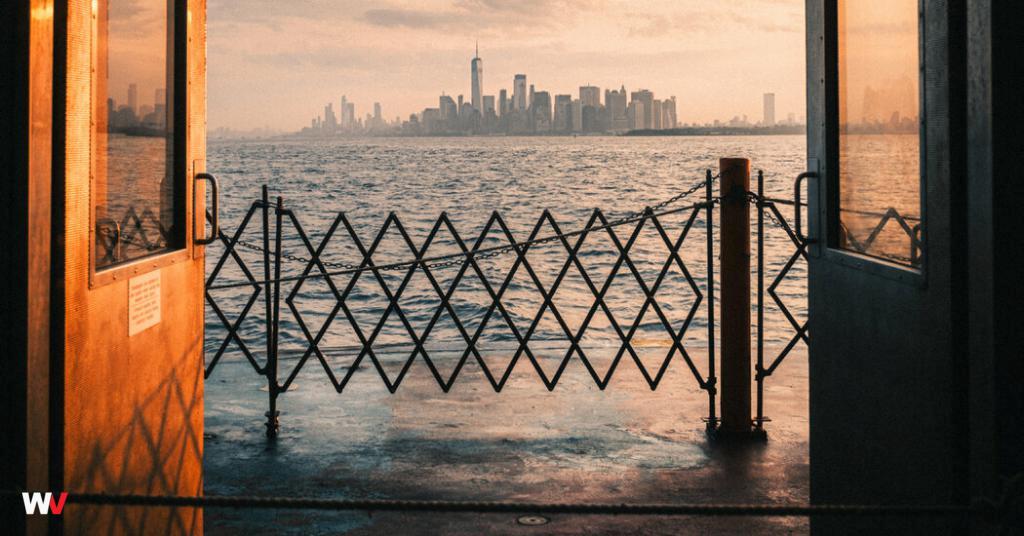
On Jan. 1, 2015, I self-deported from the United States, my home of more than 22 years, to return to the Philippines, where I was born and lived until the age of 9. At takeoff, sorrow overtook the terror I felt at check-in. The T.S.A. agent had scanned my passport — renewed in 2002, devoid of a visa — and waved me through. I froze in place: Where were the ICE agents?
That day, I found out that no one cares if an undocumented immigrant leaves America. Only my husband, waving from beyond the gate, cared. He would eventually meet me in London; I was to go to Manila first to apply for a British spouse visa, which I couldn’t do in the United States because I was an undocumented person.
America is home; it raised me. I came in 1992, the daughter of Filipinos who left their homeland — an economy drained by dictatorship — in search of a better life. I left in 2015 as a broken adult of 31, still in search of that better life. When I returned last month, I found a different country.
My decision to leave the United States seemed crazy, the resulting bar on returning for 10 years a self-inflicted wound. This view requires the belief that America is exceptional, the only nation capable of caring for its people and helping them achieve their potential. After a near-lifetime of being undocumented, I had stopped believing this.
In my experience, America had become a place to flee from, not to. At the time I lived in New York without papers, I couldn’t secure a license to drive, afford to go to college, start a career, get health care, vote, open a bank account or travel freely. My life was a struggle with domestic and sexual violence, financial hardship and suicide attempts. By self-deporting, I ended my American life to save what remained of my actual life.
In the years before I left New York City, in my 20s and early 30s, I worked, hoping to save for a bachelor’s degree I would never earn. On Craigslist, I found temp jobs that didn’t require proof of legality: street fund-raiser, receptionist, assistant, office manager. The city’s buoying energy saved me in those years. I convinced myself that hiding and surviving was enough, that I didn’t need papers.