
General
Scientists Have a New Theory About Why Orcas Are Attacking Boats
A pod of orcas damaged a boat and left its two-person crew stranded. It was the latest in a string of attacks that research suggests could be used for hunting practice.
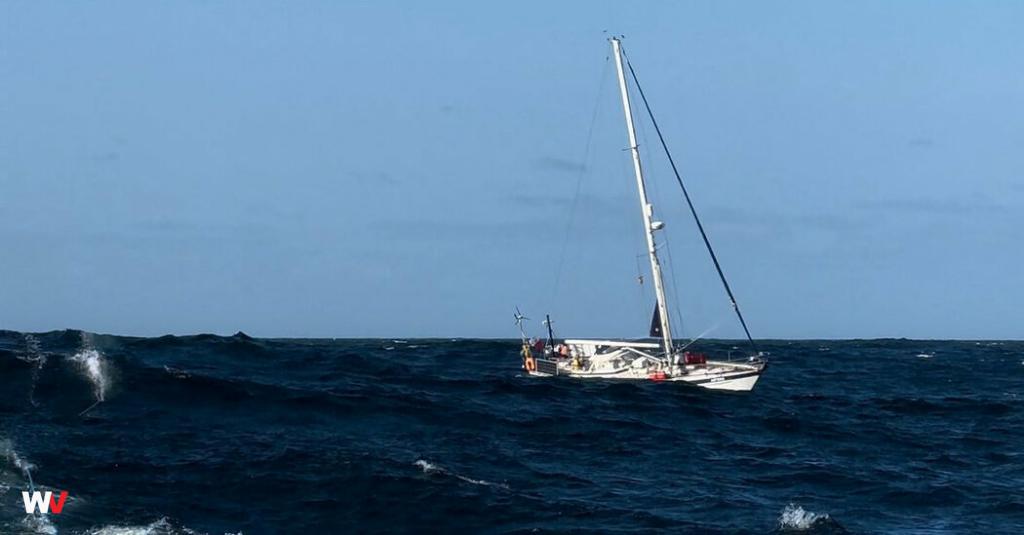
The orcas have struck again — this time ramming a sailboat off Spain’s northwest coast, rescue workers said on Tuesday.
A pod of orcas damaged the rudder of a sailboat, leaving its two-person crew stranded in the waters off Cape Finisterre Sunday, according to an emailed statement from the rescue workers. It is the latest in a string of attacks by pods of orcas swimming around the Iberian Peninsula.
While the sailboat, the Amidala, did not sink, pods of orcas have sunken several vessels in recent years. Researchers still do not know whether the attacks are playful or malicious, but a new theory based on studying the troublesome pods of orcas suggests that they could be using the boats as practice targets for new hunting techniques. Other competing theories still exist.
Regardless of the orcas’ intentions, the behavior is enough to worry sailors journeying in the highly trafficked waters around North Africa, Spain and Portugal.
The Amidala, manned by a crew of two Belgians, encountered an unknown number of orcas on Sunday afternoon. They sent a mayday distress call to the Finisterre Maritime Rescue Center, which towed the vessel back to shore, the center said.
The sailboat’s damaged rudder, and poor weather conditions in the area, made the rescue more arduous, with waves reaching up to nearly 10 feet and winds hitting speeds of 40 miles per hour. A female crew member on the Amidala suffered injuries to her hand as the sailboat was being towed, and she was transferred to a rescue vessel, the rescue center said. After more than four hours, the Amidala made it back to shore.