General
Rick Kaufmann, Impresario of Art Furniture, Dies at 77
Art et Industrie was not a typical SoHo gallery, even in its heyday, the raucous 1980s. And its proprietor, Rick Kaufmann, a lanky, underfunded autodidact from Detroit, was not a typical SoHo gallerist. His wares, inscrutable objects that hinted at …
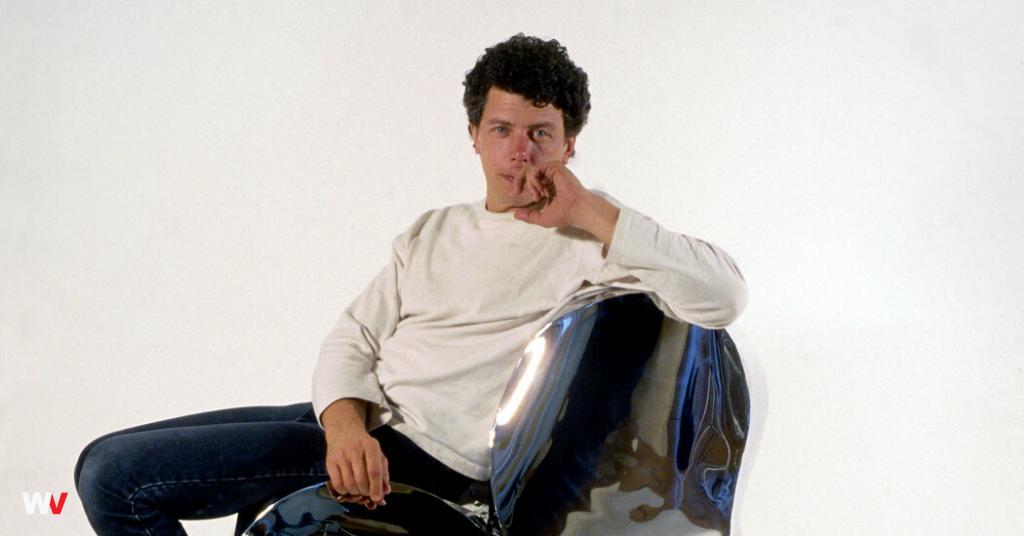
Art et Industrie was not a typical SoHo gallery, even in its heyday, the raucous 1980s. And its proprietor, Rick Kaufmann, a lanky, underfunded autodidact from Detroit, was not a typical SoHo gallerist.
His wares, inscrutable objects that hinted at utility, confused the press for years. Were they art or were they furniture?
Consider the cerebral chairs made by Howard Meister, one of Mr. Kaufmann’s artists. His austere steel pieces had names like “Learning Her Lie” (a chair with a fracture running through it) and “Juvenile Offender” (one with a back resembling an explosion).
Or the enticing snarls of aluminum made by Forrest Myers, a minimalist sculptor best known for The Wall, the beloved public artwork of green girders bolted to the blue-painted brick facade of a building on the corner of Broadway and Houston Street in Lower Manhattan.
Or Michele Oka Doner’s “Terrible Chair,” a delicately wrought but vicious-looking piece made of cast-bronze thorns that was definitely not designed with ergonomics in mind.
“It is a fetish object, not made for public use” was how Ms. Doner described the chair in the accompanying text in a show at Mr. Kaufmann’s gallery. “I am blurring the line between art and function. I don’t like these lines. Who put them there?”