

General
Richard V. Allen, Reagan’s First National Security Adviser, Dies at 88
His tenure was short: He was forced to resign after $1,000 in cash was found in a safe in his former office, even though the Justice Department cleared him of wrongdoing.
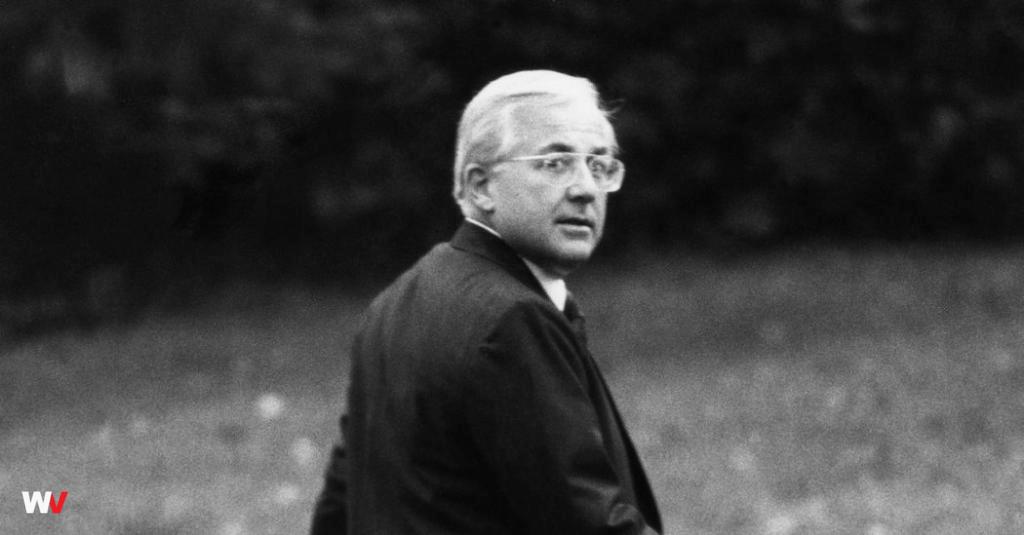
Richard V. Allen, President Ronald Reagan’s first national security adviser, who was forced to resign after less than a year in office, much of it under a cloud of controversies that muted his voice in contributing to foreign and military policies, died on Saturday in Denver. He was 88.
His death, in a hospital, was confirmed on Tuesday by his son Michael, who did not specify a cause. Mr. Allen lived in Denver.
An international business consultant who for decades had cultivated clients in Japan and Portugal, Mr. Allen was a veteran political operative with conservative Republican credentials. He had written books on Cold War communism, been a foreign policy adviser to Richard M. Nixon in his 1968 and 1972 presidential campaigns, and was a deputy national security adviser in the Nixon White House.
He had also been a focus of controversy over his political and business affairs. The head of a Grumman Corporation subsidiary told a Senate subcommittee that during Nixon’s 1972 campaign, Mr. Allen had solicited a $1 million contribution to the Committee to Re-elect the President in exchange for promising to help the subsidiary win sales contracts in Japan. Mr. Allen denied the allegation, which was not adjudicated.
And in the fall of 1980, during Reagan’s presidential campaign, Mr. Allen temporarily stepped down as the candidate’s foreign policy adviser after an allegation surfaced in news reports that he had used his connections in the Nixon White House to obtain consulting contracts for himself with foreign governments. Mr. Allen denied that allegation as well. After Reagan’s victory, he was named national security adviser.