General
Richard Foreman, Iconoclastic Playwright and Impresario, Dies at 87
The Ontological-Hysteric Theater, which he founded in 1968, presented more than 50 of his plays, among them “My Head Was a Sledgehammer” and “Permanent Brain Damage.”
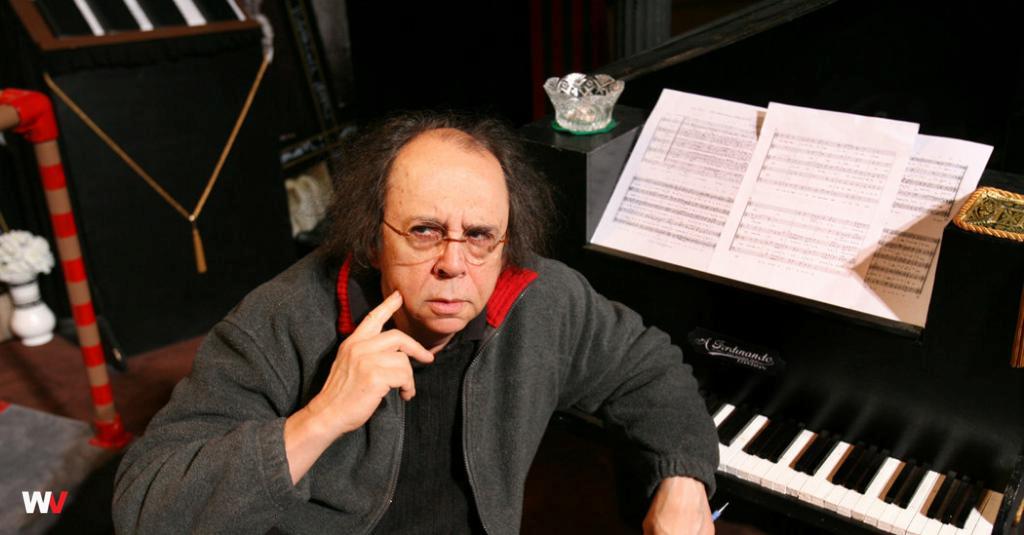
Richard Foreman, the relentlessly teasing, deliberately mysterious avant-garde playwright and impresario who founded the Ontological-Hysteric Theater, won a bookshelf full of Obie Awards and received a MacArthur fellowship in his late 50s, died on Saturday in Manhattan. He was 87.
David Herskovits, the artistic director of Target Margin Theater in Brooklyn and a co-executor of Mr. Foreman’s literary estate, said the death, at Mount Sinai West Hospital, was from complications of pneumonia.
Mr. Foreman established his company in 1968 and went on to present more than 50 of his own plays; for many years the group was housed at St. Mark’s in the Bowery, the historic East Village church. The company name refers to the metaphysical study of the nature of existence and to Mr. Foreman’s conviction that the situations he worked with were, as he told John Rockwell of The New York Times in 1976, “basically hysteric — repressed passions emerging as philosophical interactions.”
The titles of his plays hinted at his worldview. “Dream Tantras for Western Massachusetts” (1971) was one of numerous collaborations with the composer Stanley Silverman. “My Head Was a Sledgehammer” (1979) depicted a professor and two students facing the frustrations of acquiring knowledge. “Bad Boy Nietzsche!” (2000) was about that German philosopher’s nervous breakdown. “King Cowboy Rufus Rules the Universe!” (2004) was inspired by the George W. Bush administration.
Other titles, like “Total Recall” (1970), “Vertical Mobility” (1974) and “Permanent Brain Damage” (1996), were more concise but no less resonant.