General
Racing the Clock to Document ISIS Genocide of Iraq’s Yazidis
For years, a U.N. team has painstakingly exhumed mass graves, but now the Iraqi government is ordering it to leave. Many sites remain unexamined.
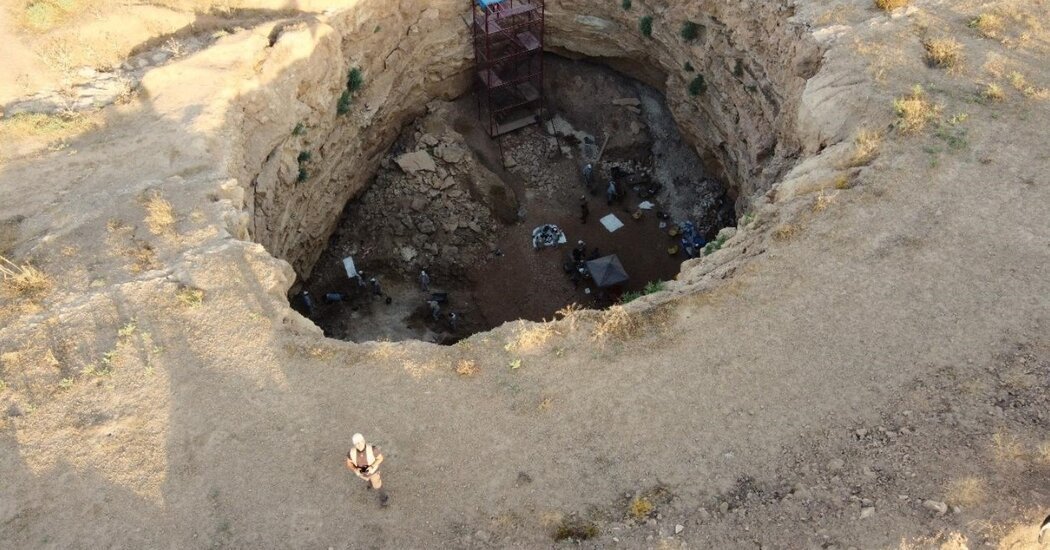
The hours have been long, the heat extreme and the work painstaking for forensic experts extracting human remains from a mass grave in northern Iraq, evidence of one of this century’s most blatant cases of genocide — the murder of the Yazidi people by the Islamic State.
Now they are running out of time to document that 2014 slaughter, a yearslong campaign in which the Islamic State, or ISIS, murdered, tortured, kidnapped and forced into sexual slavery thousands of Yazidis, explicitly aiming to wipe them out as a separate ethnic and religious group.
The Iraqi government has given the team of international experts responsible for excavating the mass grave outside of Tal Afar, Iraq, less than two weeks to conclude its investigation, leaving unopened dozens of other mass graves that the United Nations says contain evidence critical for building a case to hold ISIS members criminally accountable.
Eager to turn the page on a horrific period when ISIS captured and controlled vast swaths of its territory, Iraq is rapidly upending a decade of related policy: Moving to shutter the camps that hold displaced Yazidis, executing ISIS perpetrators and ending the U.N.-organized mission to excavate the mass graves.
For the families of nearly 2,700 missing Yazidis, the decision is heartbreaking. For them, each uncovered bone fragment could help solve the mystery what became of loved ones not seen since ISIS’s reign of terror.