General
Psychiatric Drugs: Getting Off vs. Staying On
More from our inbox: Congress, Stand UpWaste, Fraud and Abuse?From her house outside Hartford, Conn., Ms. Delano offers coaching to paying clients, but through her nonprofit, she hopes to provide support to large swath of people interested in …
More from our inbox:
- Congress, Stand Up
- Waste, Fraud and Abuse?

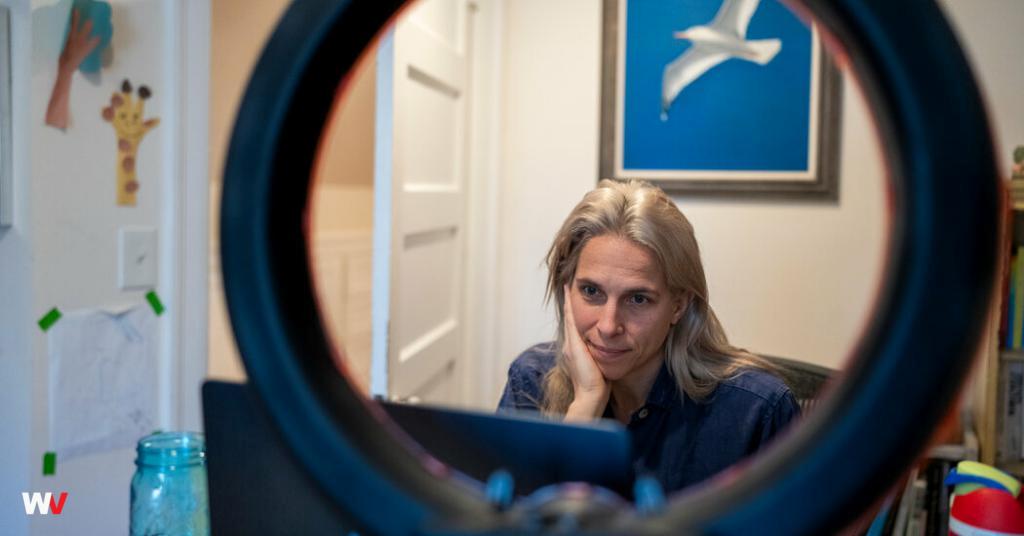
From her house outside Hartford, Conn., Ms. Delano offers coaching to paying clients, but through her nonprofit, she hopes to provide support to large swath of people interested in reducing or quitting psychiatric medications.Credit…Christopher Capozziello for The New York Times
To the Editor:
Re “The Ex-Patients Club” (Science Times, March 18):
In a climate where anti-psychiatry sentiment is increasingly pervasive, I’m deeply alarmed by someone with no clinical experience, Laura Delano, being in the forefront for people getting off their psychiatric medications.
Ms. Delano’s declaration that she was ready to “stop being a psychiatric patient” is no different than someone suffering from high blood pressure declaring they’re no longer hypertensive and do notrequire treatment. Advocating for someone with a diagnosis of bipolar disorder (which is typically chronic and lifelong) to stop their medication is dangerous.
Ms. Delano is embarking on a slippery slope in her claims. She is absolutely right that misdiagnosis and polypharmacy have plagued the field of psychiatry, but when practiced responsibly and evidence-based, it’s a lifesaving discipline.
I always preach lifestyle changes (exercise, diet) and practice psychotherapy before turning to medications for my patients, but medications are often needed to address target symptoms so individuals can lead functional, fulfilling lives.
It is certainly appropriate to safely taper off medications in collaboration with a clinician, but it’s important to consider the differences in each individual and the overall risks versus benefits of medication.
Brandon Jacobi
Pleasantville, N.Y.
The writer is a psychiatrist.
To the Editor:
I was also “a professional psychiatric patient” (as Laura Delano called herself) for three decades, from my 20s through my 50s, having been diagnosed with anorexia nervosa, major depressive disorder — recurrent and severe with psychotic features — and borderline personality disorder. Over these 30 years, my medication cocktails consisted of SSRIs, SNRIs, mood stabilizers, antipsychotics and benzodiazepines.