

General
Paul Stephenson, 87, Dies; Advanced Britain’s Civil Rights Movement
The bus boycott and one-man pub sit-in that he led in the mid-1960s helped pave the way for a law outlawing discrimination in public places.
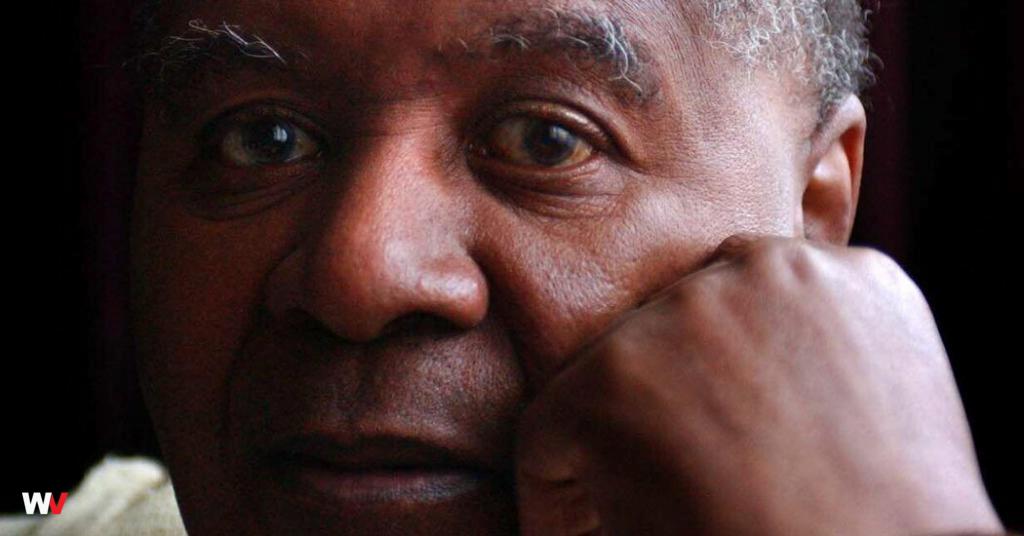
Paul Stephenson, a British civil rights activist who led a boycott of city buses in Bristol, England, in 1963 that helped usher in the nation’s first Race Relations Act, outlawing discrimination in public places, died on Nov. 2. He was 87.
His family said in a statement that the cause was Parkinson’s disease and dementia. The statement did not say where he died.
Britain’s civil rights movement of the 1960s is less well known, and had less impact, than the epochal struggles in the American South that produced sweeping laws banning segregation and protecting voting rights. But the themes and even some dates in Britain are a historical rhyme to events that occurred in the U.S.
The boycott of the Bristol Omnibus Company spearheaded by Mr. Stephenson ended in victory on Aug. 28, 1963 — the very day that the Rev. Dr. Martin Luther King Jr. gave his “I Have a Dream” speech in Washington.
Mr. Stephenson drew inspiration from Rosa Parks’s refusal to give up her seat on a segregated bus in Montgomery, Ala., in 1955, which touched off a far-reaching boycott of city buses by Black riders. In 1964, he staged a one-man sit-in at a Bristol pub that refused to serve him because of his race. His arrest by eight officers and the subsequent trial made national news in England; a headline on the front page of The Daily Express read, “The Man Who Refused to Say Please for His Beer.”
The bus boycott and the pub sit-in drew the attention of Harold Wilson, the Labour Party leader, who pushed through the Race Relations Act in 1965 when he was prime minister.





