General
Patricia Johanson, Who Turned Grim Spaces Into Landscape Art, Dies at 84
A groundbreaking environmental artist, she transformed water treatment plants and fetid ponds into enticing natural installations.
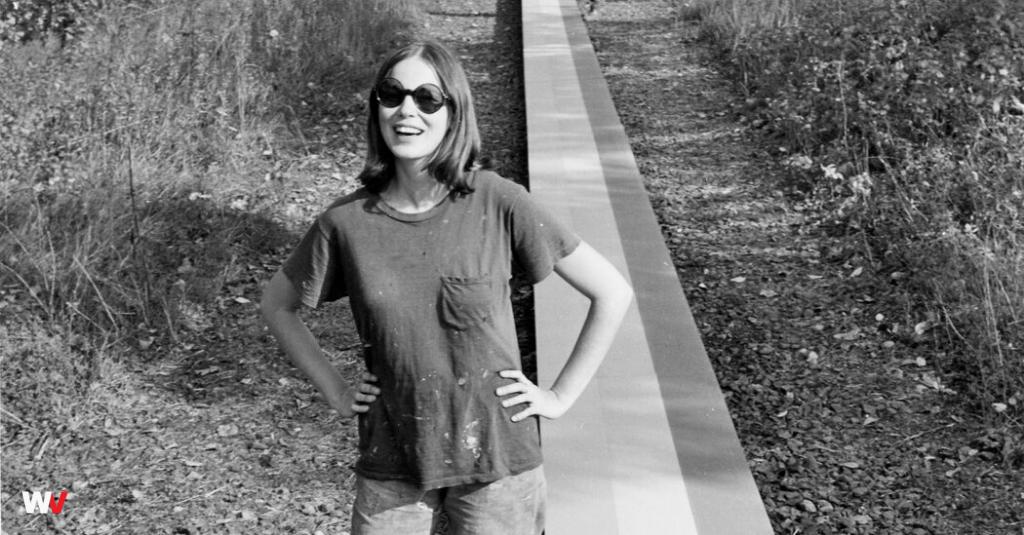
Patricia Johanson, an environmental artist who made nature her medium, transforming highway underpasses, sewage treatment plants and other grimly functional public spaces into sweeping art installations, died on Oct. 16 at her home in Buskirk, N.Y., northeast of Albany. She was 84.
The cause was congestive heart failure, her son Gerrit Goossen said.
Ms. Johanson started out as a minimalist painter and sculptor in the New York art world of the 1960s. But in the ’70s she turned her attention from the studio to the outside world, studying architecture so she could create large-scale works of landscape art that reintroduced nature to dismal urban spaces.
If painters throughout the centuries have used nature as subject matter, Ms. Johanson treated it as a canvas in its own right, going on to become a leader of what is known as the land art movement.
Her work may have been monumental in scale, but it was a pointed departure from the notable examples of earthworks art that emerged in the 1960s and ’70s — among them, Michael Heizer’s “Double Negative,” which required the use of dynamite and bulldozers to create two huge trenches in the Nevada desert.
Some of those works were “extremely destructive of the earth,” Ms. Johanson said in a 2003 interview with the Arts and Healing Network.
“Why interpret living nature if you can incorporate it intact?” she added. “Why bulldoze living communities on the assumption you can create something more significant than what is already there? Why not allow the earth to live, and let different people fulfill their own needs within works of art that are as open-ended and complex as nature itself?”