General
Overlooked No More: Gwendolyn B. Bennett, Harlem Renaissance Star Plagued by Misfortune
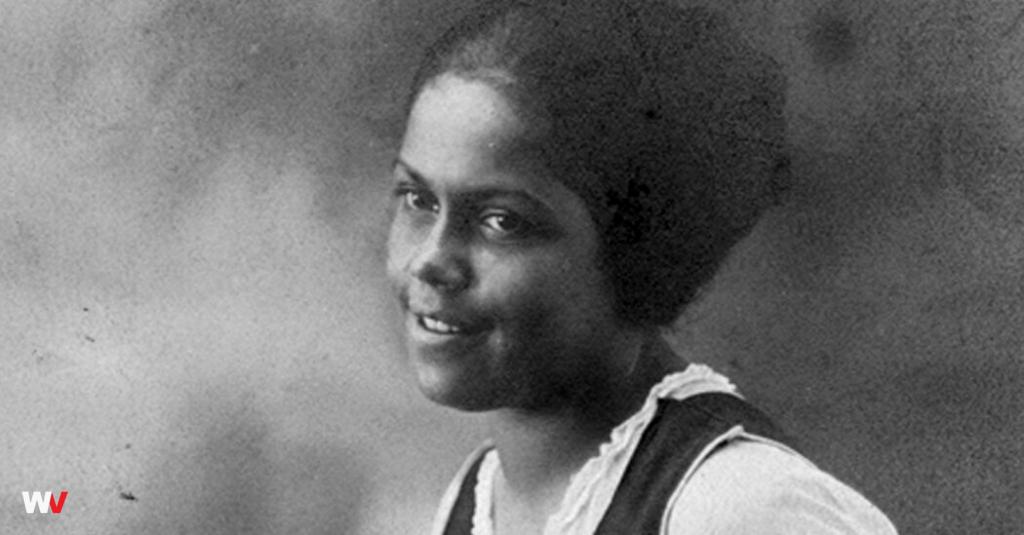
She was a talented young poet and artist who was central to a fledgling cultural movement, but her life was shrouded by one tragedy after another.
This article is part of Overlooked, a series of obituaries about remarkable people whose deaths, beginning in 1851, went unreported in The Times.
On March 21, 1924, a group of artists, writers and intellectuals filled the distinguished Civic Club in Manhattan for a dinner party, one that would turn out to be a pivotal moment in the early days of the Harlem Renaissance.
The event was conceived to celebrate Jessie Fauset, the novelist, poet and literary editor of The Crisis, the official magazine of the N.A.A.C.P., who had just published ar new novel, “There Is Confusion.” But it wasn’t Fauset who captivated the crowd with a reading. Nor was it W.E.B. Du Bois, the éminence grise at the event, who capped the evening with a reading.
Rather, it was one of the youngest talents at the party, Gwendolyn Bennett, a 21-year-old poet and artist who entranced the room with “To Usward,” a poem she dedicated to Fauset and “to all Negro youth known and unknown who have a song to sing, a story to tell or a vision for the sons of earth.” It went, in part:
For some of us have songs to sing
Of jungle heat and fires
And some of us are solemn grown
With pitiful desires,
And there are those who feel the pull
Of seas beneath the skies,

And some there be who want to croon
Of Negro lullabies.
Bennett would go on to write some of the most elegant poetry of the era, illustrate dynamic covers for prominent Black journals and form close relationships with luminaries like Du Bois, Langston Hughes and Richard Wright. Yet, by about 1930, her literary career had been derailed by emotional turmoil arising from a series of hardships, including her father’s death, an ill-fated marriage and unwarranted attention from the House Un-American Activities Committee.