General
One Small Way Alan Simpson Helped Change History
It was the softest of softball questions. The date was Sept. 19, 1987. Robert Bork’s five days of testimony before the Senate Judiciary Committee were drawing to a close, and the committee had convened an unusual Saturday session for a final round of …
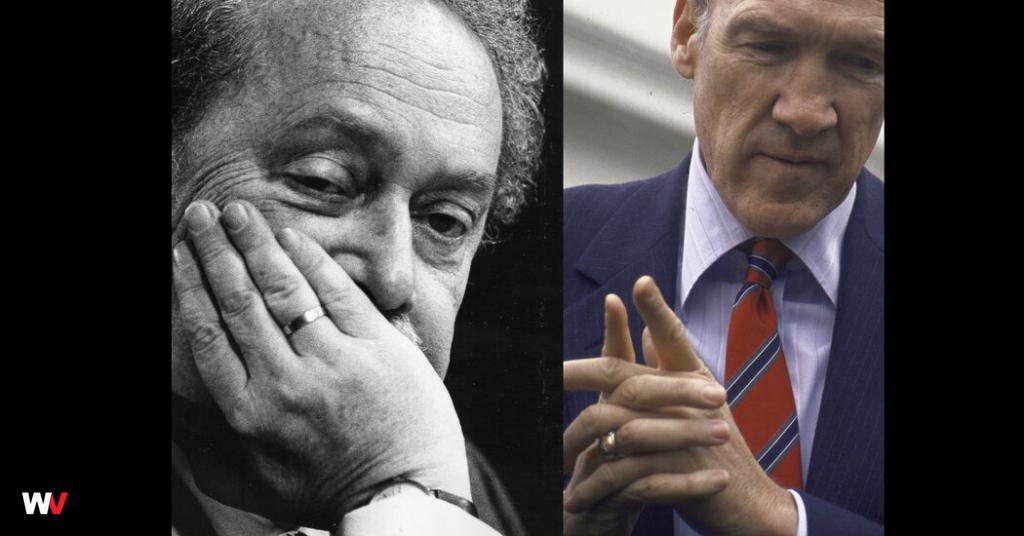
It was the softest of softball questions. The date was Sept. 19, 1987. Robert Bork’s five days of testimony before the Senate Judiciary Committee were drawing to a close, and the committee had convened an unusual Saturday session for a final round of questions for the Supreme Court nominee.
Last up was Senator Alan Simpson, Republican of Wyoming. One of the nomination’s strongest supporters on the committee, he engaged in a rambling monologue that included the prediction — accurate, as it turned out — that future Supreme Court nominees would never be as forthcoming about their views as Judge Bork, one of the country’s most prominent conservatives, had been. At the time of his nomination, he was serving on the U.S. Court of Appeals for the District of Columbia Circuit. He had also been a solicitor general in the Nixon and Ford administrations and a professor at Yale Law School.
Clearly sensing that the nomination was in trouble, Senator Simpson sought to stiffen the nominee’s resolve in the form of the Rudyard Kipling poem “If.” He read it regularly to himself and to his three children, he explained, and found it ever more relevant. Glancing down occasionally but seeming to recite largely from memory, the senator began with the famous opening lines, “If you can keep your head when all about you/ Are losing theirs and blaming it on you,” before moving on with particular emphasis to “If you can bear to hear the truth you’ve spoken/ Twisted by knaves to make a trap for fools.”
After 15 minutes of one of the more unusual performances to take place in a Senate hearing room, Senator Simpson turned to the nominee. “And I have one final question,” he said. “Why do you want to be an associate justice of the United States Supreme Court?”
Judge Bork began with a general observation about how much he enjoyed being in a courtroom and how the Supreme Court was the most interesting courtroom of all. And then he said, “I think it would be an intellectual feast just to be there.”
I remember the moment, as a reporter covering the nomination, as I’m sure anyone does who was watching the televised hearing that had held the country spellbound for most of the preceding week. Did he really say that? Was this what the days of grueling constitutional debate, with the Supreme Court’s future hanging in the balance, had really come down to: an opportunity for self-gratification?