

General
‘No Other Land’: An Eye-Opener About the West Bank and the Movies
A team of Palestinian and Israeli directors take a daring approach to the subject. But the Oscar-nominated film could not find a U.S. distributor.
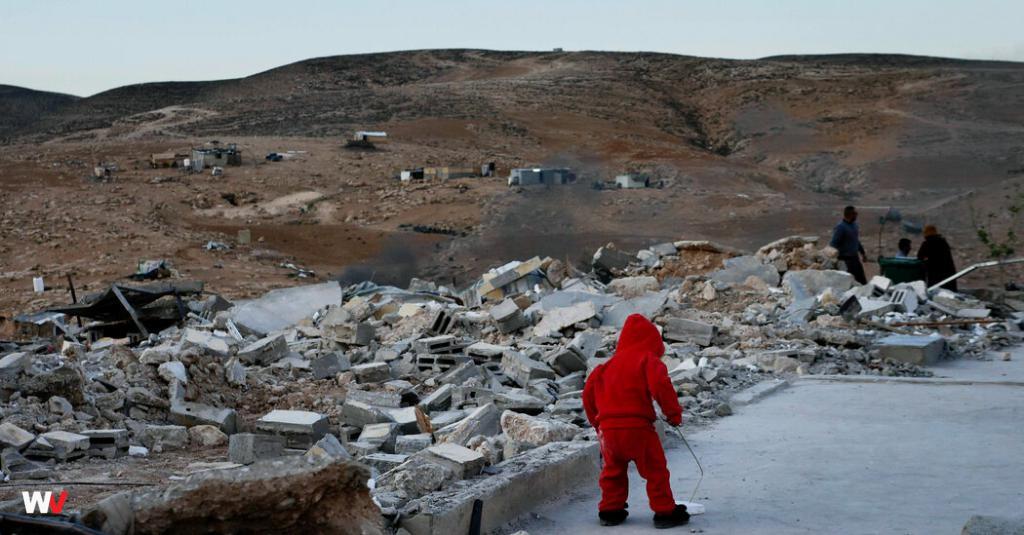
“No Other Land,” an audacious and devastating film, was also 2024’s most decorated documentary. It won dozens of awards from critics, juries and audiences on several continents; most of the major international film festivals programmed it; and, now it’s an Oscar nominee for best documentary feature. Its subject — the Israeli-Palestinian conflict — couldn’t be more consequential, and its approach, which includes a directorial team of two Israelis and two Palestinians, feels genuinely daring and bold.
Yet ultimately the story of “No Other Land”(in theaters and on demand) is two-pronged and goes beyond the conflict. First there’s the story the film tells, one about loss and power and grief and suffering. The Palestinian directors, Basel Adra and Hamdan Ballal, are activists and journalists living in or near Masafer Yatta, in the occupied West Bank. They have for years been witnesses to the demolition of residents’ homes, conducted by Israeli forces, which claim the area is needed for a live-fire military training ground.
The filmmakers explain that they began recording to create a visual record of what was happening, including the fact that many families had moved into underground caves with whatever they could salvage. “No Other Land” takes its title from the cry of a woman, who asks where they are supposed to go — the homes have often been in families for generations, and they have no other land.
The film captures this destruction between 2019 and 2023 and in archival footage from Adra’s family. “No Other Land” also shows the growing, sometimes tense friendship between Adra and an Israeli journalist, Yuval Abraham, who arrives in Masafer Yatta with the cinematographer Rachel Szor to report at the start of this period. (They form the Israeli half of the directorial team.) What they witness then and in subsequent years is harrowing, especially since it happens over and over again. Alongside the repeated demolitions, friction points emerge in Adra and Abraham’s relationship — for instance, Abraham can travel freely around the country, while Adra cannot — and this strain starts to build a lucid picture of frustration for both men.