

General
Netflix to Screen ‘One Hundred Years of Solitude’ in Havana
The first two episodes will be shown at a film festival in Havana that was long championed by Gabriel García Márquez, the Colombian novelist who wrote the book.
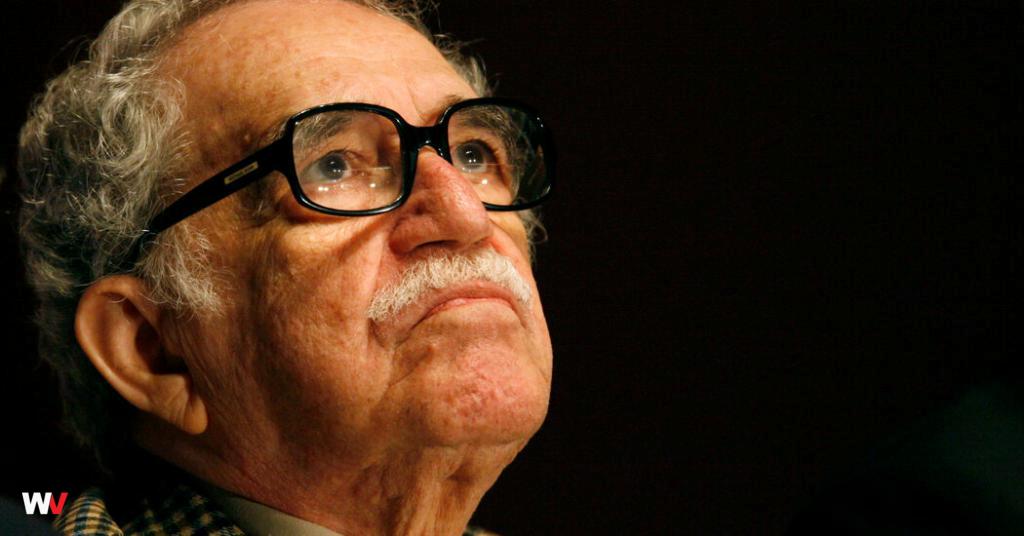
Even after he won the Nobel Prize in Literature, Gabriel García Márquez sometimes described himself as a lover of film, and particularly Latin America film, at heart. At various points in his life he both studied and taught film, wrote screenplays and helped establish and lead the New Latin American Cinema Foundation in Cuba.
So it seems only fitting that next month, the 45th annual International Festival of New Latin American Cinema in Havana will hold an advance screening of the first two episodes of Netflix’s long-awaited, ambitious adaptation of García Márquez’s most famous work, “One Hundred Years of Solitude.”
García Márquez, the Colombian novelist known for his mastery of magical realism, was a strong supporter of Fidel Castro, Cuba’s longtime leader, and had longstanding ties to the film festival in Havana.
Tania Delgado Fernández, the director of the film festival, announced the screenings at a news conference last week. She said it was the result of an agreement with Netflix. The screenings will be held on Dec. 6 and will serve as a “well-deserved tribute” to García Márquez, who used to serve on the jury of the festival, according to a statement on the festival’s website. García Márquez was the president of the Foundation of New Latin American Cinema until his death in 2014 at 87
“The idea of the foundation is to forge a unitary Latin American cinema, recognizing that each nation has its own characteristics and culture, but taking into account the common features,” García Márquez said in an interview with The New York Times in 1989. He used a musical analogy: “The distance between the tango and salsa is enormous, but it’s all recognized as Latin American music,” he said.
“One Hundred Years of Solitude,” the saga of the Buendía family in the fictional town of Macondo, is considered a masterpiece of Latin American literature and helped push García Márquez to the forefront of the so-called Latin American Boom of the 1960s and ’70s. He won the Nobel Prize in Literature in 1982.