General
‘Need to Tell a Story’: Why U.K.’s Leader Faced a Revolt Over a Retiree Benefit Cut
Prime Minister Keir Starmer survived a test of his authority, but more than 50 Labour lawmakers did not back his plan to reduce fuel aid.
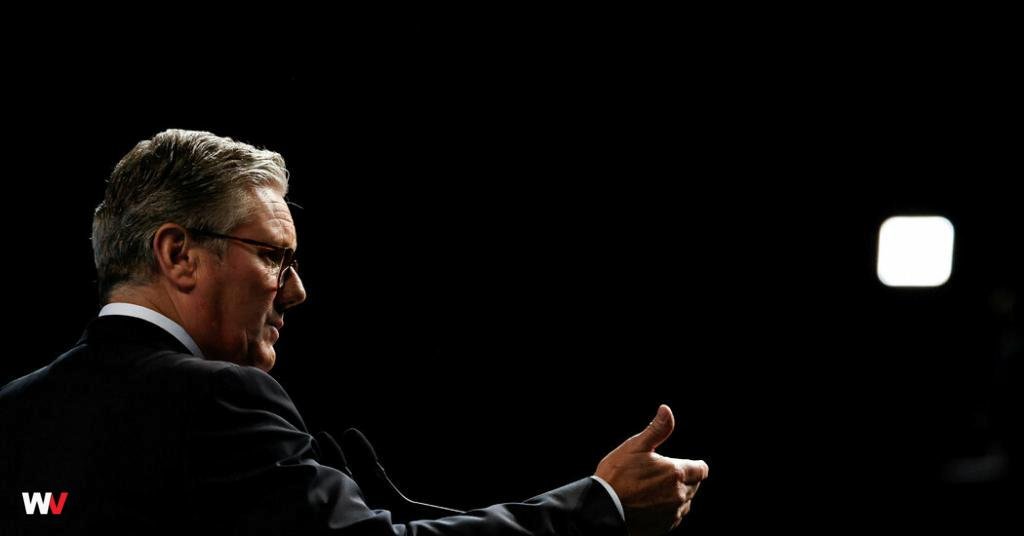
Nine weeks into his new job as Britain’s prime minister, Keir Starmer suffered his first big parliamentary rebellion on Tuesday, in a vote that exposed unease about his center-left government’s austere tone and focus on belt-tightening.
Although the government ultimately prevailed, more than 50 of Labour’s 404 lawmakers did not support its move to restrict payments that help retirees with winter heating costs.
Under the initiative, an annual payment of at least £200 ($261) that is currently available to anyone over the age of 66 will be subject to a means test, available only to those with the lowest incomes.
Fifty-three Labour members either abstained or were absent, and one voted against the plan,
Mr. Starmer has a majority of more than 160 lawmakers, and the plan’s passage — and therefore his victory — was never in doubt. But the number of Labour members who did not support it underscored wider disquiet over a policy that surprised many when it was announced.
“It came out of the blue and it just dropped,” said John McTernan, a political strategist who was an aide to Tony Blair when he was prime minister. The new curb could have been justified on the grounds of fairness, since many wealthy pensioners do not need the payments, Mr. McTernan said. But instead, the government focused its explanation on the need to cut spending.
By failing to sell the policy effectively to the public or his party, Mr. McTernan said, Mr. Starmer turned it into an awkward early test of his authority.“I think it was mishandled and it’s a lesson, the lesson being: Don’t make a political decision that is not backed by a political narrative and a political argument,” he added.