General
Mount Etna volcanic eruption closes Catania international airport
Sicily’s most popular airport is at the foot of Europe’s most active volcano.
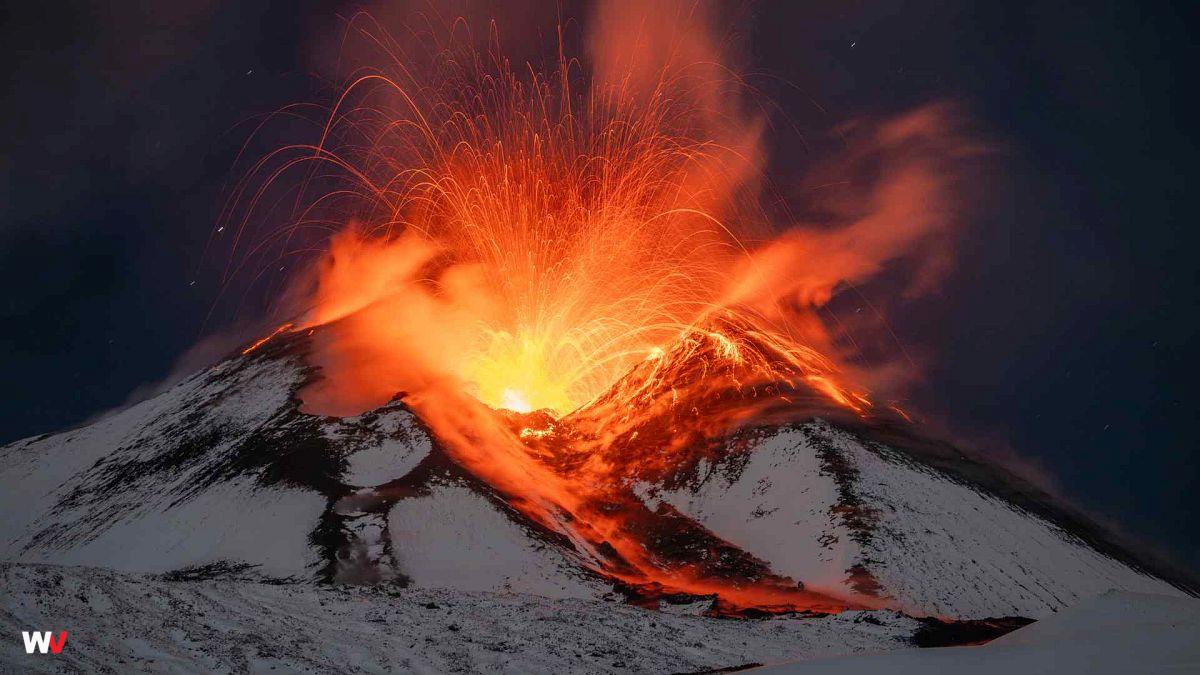
Travel to and from the Italian island of Sicily is currently disrupted due to a volcanic eruption.
Catania international airport is closed due to Mount Etna’s spewing lava and ash.
The airport is frequently closed due to poor visibility caused by the volcanic smoke but it usually reopens within half a day.
On this occasion, the airport operator has said: “The suspension will result in cancellations and/or rerouting to other airports,” saying normal operations would resume once the ash fallout had ended
No flights are landing or departing.
What is the advice to passengers?
Airport authorities are advising passengers due to fly out of Catania to check their flight’s status before leaving for the airport.
Will passengers be able to claim compensation?
Airlines are required to offer you another flight or a refund is a flight is cancelled or delayed by more than three hours.
However, this is only when they could have prevented the disruption. In the case of a volcanic eruption, it is not their fault.

However in most cases airlines will still endeavour to get passengers to their final destination.
It always pays to have travel insurance as you may be able to claim back for unexpected expenses.
Is it safe to travel to Sicily?
Yes, it is still safe to travel to Sicily, even when Mount Etna is erupting.
There is an ongoing drought in Sicily but the majority of hotels and other tourist accomodation are open and operating as normal.
Travellers should take the usual precautions for hot weather – drink plenty of water, stay in the shade during the hottest hours of the day and seek medical attention if you feel unwell.
Where is Mount Etna and is it dangerous?
Mount Etna is on the east coast of the Italian island of Sicily.
It is Europe’s most active volcanoes and has been going through an especially active period for the last five years.
Although Mt Etna erupts frequently, lava has not reached nearby towns since the 1800s.
It has more than 200 craters and when one of these does erupt, volcanic ash lands in the city of Catania, as its foot, and the many surrounding towns and villages. This is inconvenient to residents but usually not a problem for visitors.
Even during an eruption, there are many hiking trails and paths that are still safe, though it is a legal requirement to go up with a qualified local mountain guide.