General
Monday Briefing: The Final Set of Times/Siena Election Polls
Plus, using generative A.I. to take a “decision holiday.”
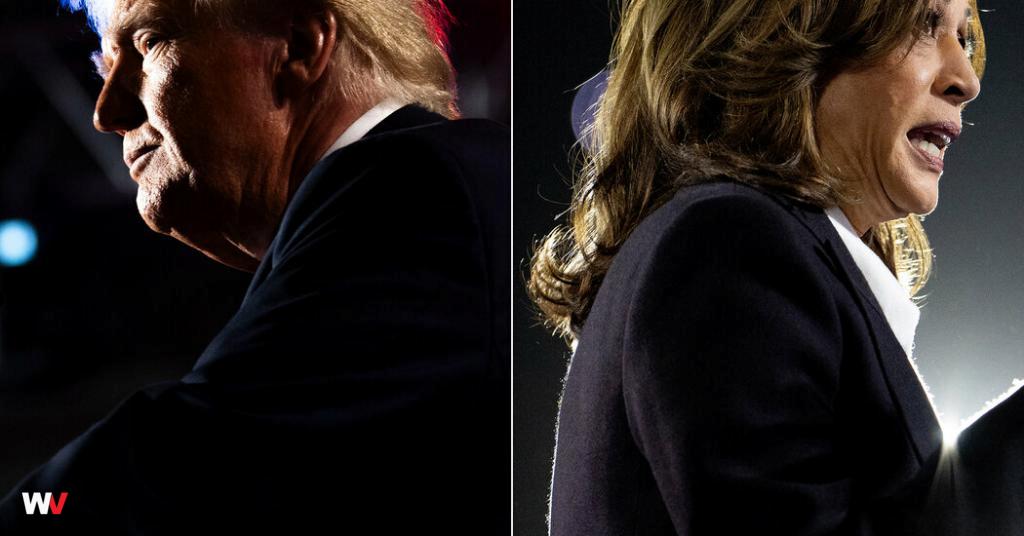

Credit…Doug Mills; Erin Schaff/The New York Times
Harris and Trump battle to the wire
There’s one more day until Election Day, and the final set of Times/Siena polls are in.
Kamala Harris is now narrowly ahead in Nevada, North Carolina and Wisconsin, the polls show, while Donald Trump leads in Arizona. They’re both locked in close races in Michigan, Georgia and Pennsylvania. But the results in all seven states are within the margin of sampling error, meaning neither candidate has a definitive lead in any of them.
Usually, the final polls point toward a relatively clear favorite, even if that candidate doesn’t go on to win, wrote Nate Cohn, the Times chief political analyst. But this will not be one of those elections.
The overall poll result is largely unchanged since our previous wave of battleground polls, but the longstanding gap between the Northern and Sun Belt battlegrounds narrowed considerably, with Harris faring better than before among young, Black and Hispanic voters. Trump gained among his most reliable demographic, white voters without a degree.
The Times/Siena poll shows an enormous gender gap. Trump is winning men in battleground states by 16 percentage points, while Harris is winning women by the same margin. For the first time, abortion is the most important issue for women in deciding their vote.
Your questions: We asked Campbell Robertson, a national reporter, this question from a reader.
Campbell: On Pennsylvania’s corners sit two large, Democratic-voting cities — Philadelphia and Pittsburgh — surrounded by bands of increasingly liberal suburbs. But about half of Pennsylvania residents live outside these two major metro areas, in smaller cities and rural areas across the state. Many of these places were once humming with steel mills and factories, and home to many union members, a reliable Democratic base.
But as industry declined over the decades, the electorate in these areas steadily moved toward the right. The share of college-educated adults is growing in Pennsylvania, as is the number of nonwhite voters. But currently a slight majority of the state’s voters are white people without college degrees, Trump’s most reliable demographic.