
General
Monday Briefing
What Trump means for the Middle East.
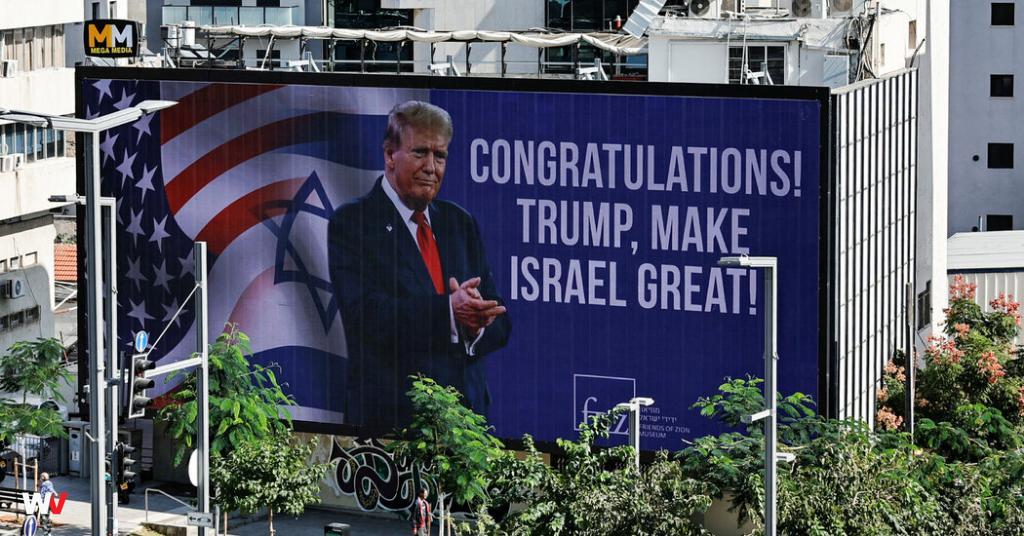
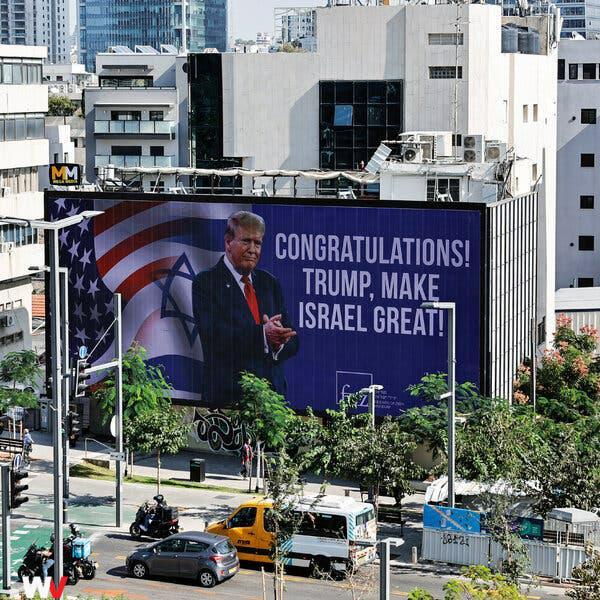
A billboard congratulating Donald Trump in Tel Aviv last week.Credit…Thomas Peter/Reuters
What a Trump presidency means for the Middle East
As president, Donald Trump was a staunch supporter of Israel, recognizing Jerusalem as its capital, cutting off aid to the U.N. agency that supports Palestinian refugees and presenting a peace plan that favored Israel. Yet he has also publicly called for the war in Gaza to stop, saying in April, “Israel has to be very careful, because you’re losing a lot of the world.”
Members of Israel’s right-wing government believe that a Trump administration will allow it to end its wars in Gaza and Lebanon on favorable terms. But the president-elect’s comments about Israel’s actions in Gaza have also led some on the Palestinian side to hold out hope that Trump may be swayed, and on Friday he had a call with Mahmoud Abbas, the leader of the Palestinian Authority.
We asked Patrick Kingsley, the Jerusalem bureau chief, to explain what may lie in store for the region.
Donald Trump has promised in the past to bring peace to the Middle East. With the region in tumult, how plausible is that goal?
When last in office, Donald Trump helped forge landmark diplomatic ties between Israel and three Arab countries, ties that remain intact. Once back in power, he may aim to forge a similar pact between Israel and Saudi Arabia.
But he will find it far harder to seal a deal between Israel and the Palestinians — without which it will be impossible to achieve lasting peace in the region. And while it’s likely that early in his tenure there will be cease-fires in Gaza and Lebanon, those truces would likely have been reached under a Harris presidency, too.