General
Mel Gibson’s Gun Was Taken Away Over a Misdemeanor. Here’s Why.
Federal law has special provisions in domestic violence cases because of their unique risks.
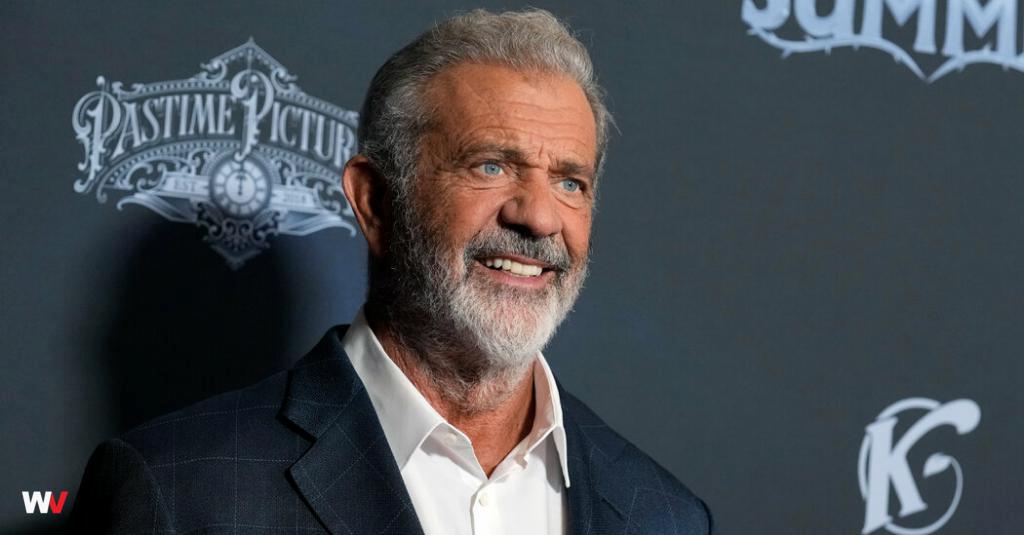
The actor Mel Gibson’s years-old misdemeanor conviction on domestic violence charges made headlines again this week, after a Trump administration official said she was fired for refusing to recommend that his gun rights be restored.
The episode brought up an unusual aspect of American law: Most people convicted on minor charges can keep their guns. But domestic violence charges are different.
Mr. Gibson lost his right to own guns after his conviction in 2011. Federal law prohibits all those with felony convictions, and those with certain domestic violence misdemeanors, from possessing guns.
Experts say there are clear reasons that the law singles out domestic violence offenses for special treatment. One study found that when abusers had access to guns, their victims were at least five times as likely to die. And abuse also tends to be cyclical, with higher recidivism rates for domestic violence offenders.
What does federal gun law say about domestic violence?
Federal law lists nine categories of people who are prohibited from owning guns. Two are related to domestic violence.
The first came in 1984, when Congress added a provision barring people subject to a qualifying domestic violence protection order from possessing guns for as long as the order was in effect. A qualifying order is one in which the judge finds that the subject poses a credible threat to the complainant. The order has to specifically bar the subject from “harassing, stalking or threatening,” or using physical force.