General
MAGA Is Misreading Its Mandate
I’m growing increasingly amused by the overreaction to Donald Trump’s election. I’m not talking about genuine concerns over Trump’s authoritarianism, incompetence and malice. His conduct during his first term gave Americans ample cause for alarm. He …
I’m growing increasingly amused by the overreaction to Donald Trump’s election.
I’m not talking about genuine concerns over Trump’s authoritarianism, incompetence and malice. His conduct during his first term gave Americans ample cause for alarm. He may well be the most unstable and dangerous person our nation has ever elected as president.
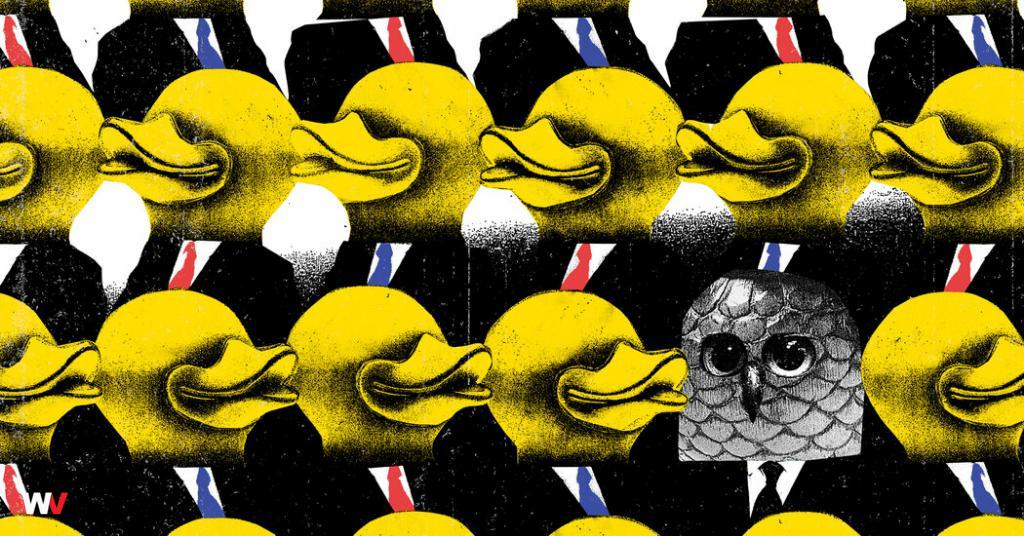
I’m talking about something else. As we watch chief executive after chief executive pay homage to Trump and MAGA, with Apple, Meta, Amazon and OpenAI making identical $1 million donations to Trump’s inauguration, either through their chief executives or their corporate accounts, there is a sense that his election signals some sort of sweeping ideological “vibe shift,” a triumph of right-wing populism over all its foes.
It is no such thing.
The truth of the matter is that we don’t know whether Trump’s second victory will have an enduring ideological impact on American politics at all. If Trump fails, then all the ideas he supposedly vanquished, from “wokeism” to neoliberalism to Reagan-style conservatism may well come roaring back.
But that doesn’t mean that any competing movement is waiting in the wings, either, ready to step in as the ideological (or counterideological) heirs to Trumpism. The future won’t belong to the populists, the progressives, the liberals or the libertarians. It will belong to the competent, and the first movement that actually meets the practical demands of the American people is the movement that will establish an enduring political future.
History is instructive here. Ever since George W. Bush’s re-election in 2004, we’ve been in a period of unusual political instability. Many Republicans believed Bush’s re-election heralded a new era of Republican political dominance — right up until the Democrats swept Republicans out of power in the House and Senate in 2006 and took back the White House in 2008.
Barack Obama’s victory, combined with his filibuster-proof majority in the Senate, represented a moment of Democratic triumph. At long last, the emerging Democratic majority — described by Politico as “a left-of-center coalition of minorities, young people, women and knowledge economy professionals” — was asserting itself and transforming American politics.