General
Lucine Amara, 99, Dies; Familiar Soprano at the Met Saw Bias There
She sang with the Metropolitan Opera for decades, often on short notice, including after lodging a successful age discrimination complaint against the company.
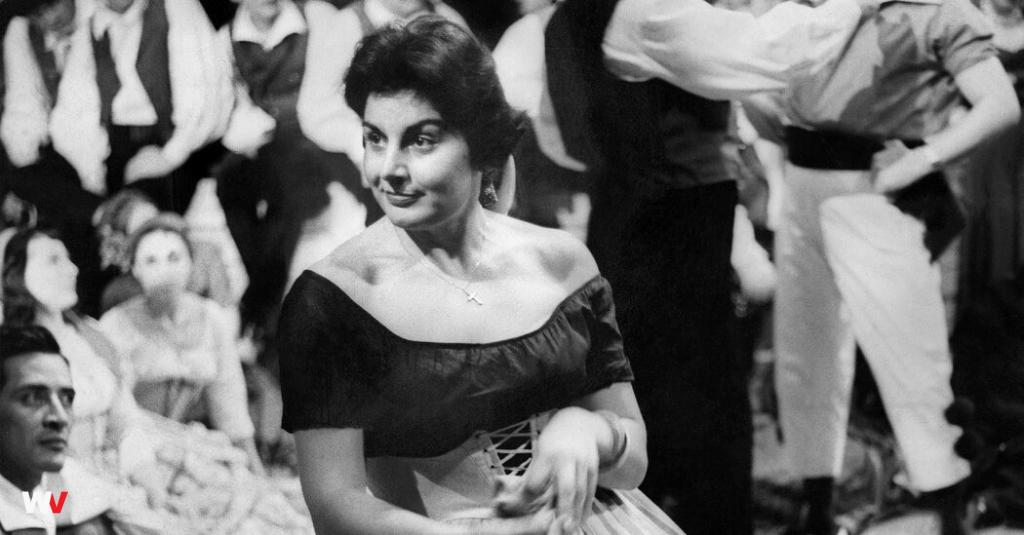
Lucine Amara, an American singer who continued a decades-long career at the Metropolitan Opera after she successfully brought the company up on age-discrimination charges in a widely publicized case, died on Sept. 6 at her home in Queens. She was 99.
Her daughter, Evelyn La Quaif, a soprano and stage director, who had shared an apartment with her mother in recent weeks, said that the cause was respiratory illness and heart failure and that Ms. Amara also had dementia. She had lived on the Upper West Side of Manhattan for decades.
A lyric soprano known for her clear, supple voice, Ms. Amara sang 748 performances with the Met between 1950 and 1991, an impressively long tenure.
Her dozens of roles there included Mimì in Puccini’s “La Bohème,” Nedda in Leoncavallo’s “I Pagliacci,” the title part in Richard Strauss’s “Ariadne auf Naxos,” and Donna Elvira in Mozart’s “Don Giovanni” and Pamina in his “Magic Flute.”
Appearing in a 1964 Met production of Gounod’s “Faust,” Ms. Amara was described by Theodore Strongin in The New York Times as “a first-rank Marguerite in all respects.”
If Ms. Amara was not as well known to the general public as other singers in her cohort — among them Roberta Peters and Victoria de los Angeles — it was partly, her admirers say, because she was damned by her own competence and by her matter-of-fact approach to her craft.