General
Life Without Transit? Silicon Valley Had a Glimpse for Nearly 3 Weeks.
An unusually long strike in the San Jose area forced a shutdown of buses and light-rail trains. It was a possible harbinger of things to come for transit agencies elsewhere.
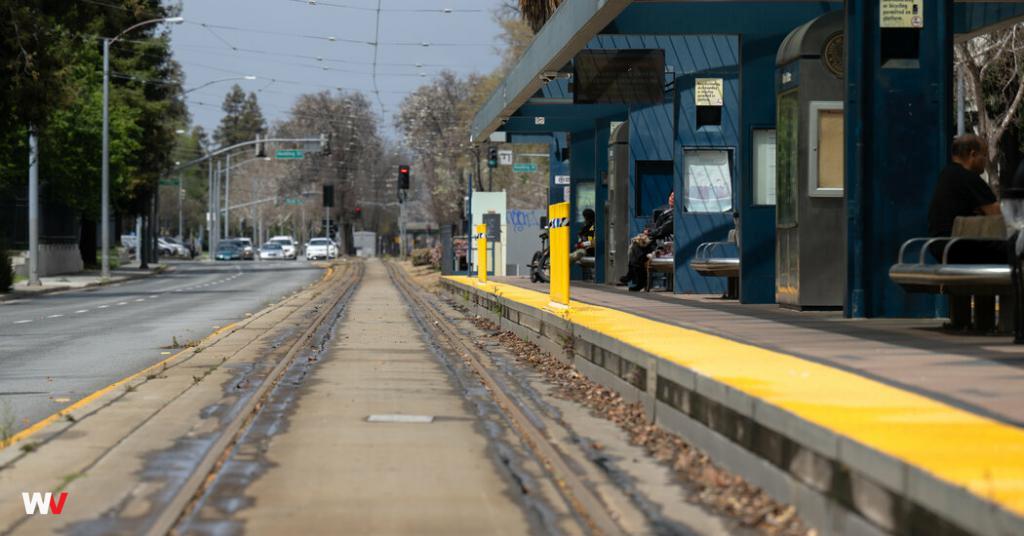
The raised platforms and steel benches were deserted alongside the light-rail tracks that run through the downtown streets of San Jose, Calif.
The large convenience store, where workers and students pop in to grab sodas and protein bars while waiting for the next train, was empty. The wide, tree-lined avenue was quiet, but for jazz music emanating from an abandoned sandwich shop.
It was the afternoon rush hour, a time when riders normally would be congregating to catch their trains home. But by this point, more than two weeks after buses and trains disappeared from the San Jose region, residents had become resigned to life without public transit.
In San Jose and the Silicon Valley, an unusually prolonged strike provided a rare glimpse into what might happen if major transit agencies fail to recover their footing after the Covid-19 pandemic. Nationwide, providers have warned of severe cuts to service, which would mean shutting down routes and closing stations without more passengers or government subsidies.
The Santa Clara Valley Transportation Authority, which serves nearly 100,000 passengers daily, had to shut down its buses and trains for 18 days after workers seeking pay raises walked off the job. The strike ended only when a judge forced employees to return, enabling limited bus service to resume on Friday and light-rail trains to return next week.
But even when the system comes back to life, it will have its challenges. Ridership in the San Jose region, as in other major U.S. cities, has never returned to what it was before the pandemic.