

General
Judge Steps Aside in ‘Shaken Baby’ Death Penalty Case in Texas
The judge who issued a death warrant for Robert Roberson voluntarily recused herself, adding the latest legal complication to a case that has drawn national scrutiny.
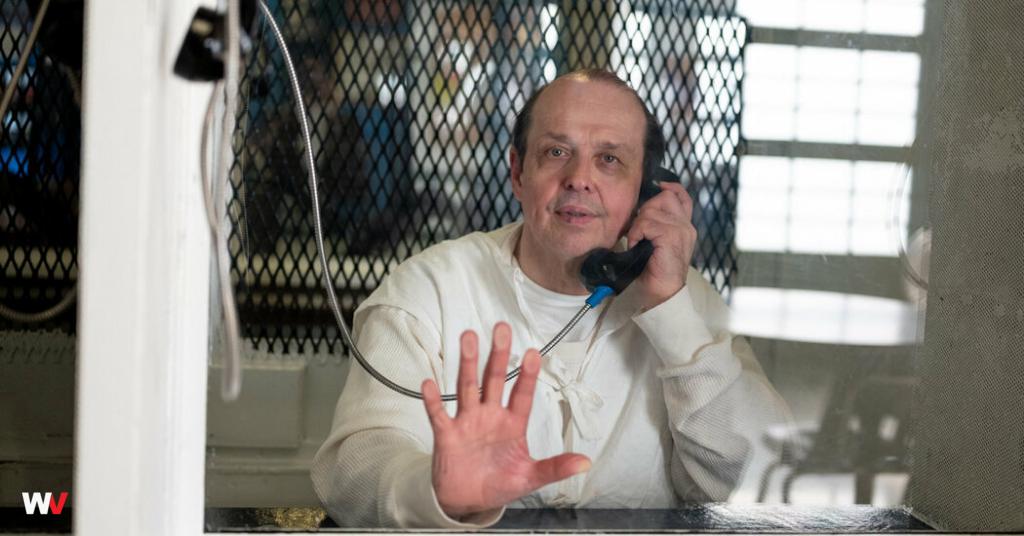
The Texas judge overseeing the case of Robert Roberson, convicted of killing his 2-year-old daughter, has voluntarily recused herself from further proceedings, adding a new complication to a death penalty case that has drawn national scrutiny for its reliance on questionable evidence of “shaken baby” syndrome.
The judge, Deborah Oakes Evans, signed a death warrant for Mr. Roberson, but it expired in October amid legal wrangling between a bipartisan group in the Texas State House, who wanted the execution postponed, and the state’s attorney general, Ken Paxton, whose office wanted it swiftly carried out.
A new execution date has not yet been set.
Judge Evans’s recusal, filed with the court last week, appeared to create a new hurdle for a case that already has raised novel legal questions around executions in Texas.
In order to reschedule the execution, the district attorney in the county where Mr. Roberson was convicted — Anderson County, between Dallas and Houston — would need to ask the judge presiding over the case to sign a new death warrant.
That did not happen before the recusal, and so far, the case does not appear to have been assigned to a new judge.
Judge Evans, who had come out of retirement to sign the death warrant in the case this year, did not explain her reason for stepping aside. In the one-paragraph order filed on Nov. 25, she said she recused herself “voluntarily.”