General
Jill Schary Robinson, Who Wrote of Her Hollywood Upbringing, Dies at 88
A screenwriter’s daughter, she grew up in the glittering world of privilege and its contradictions, which became rich material for her memoirs and novels.
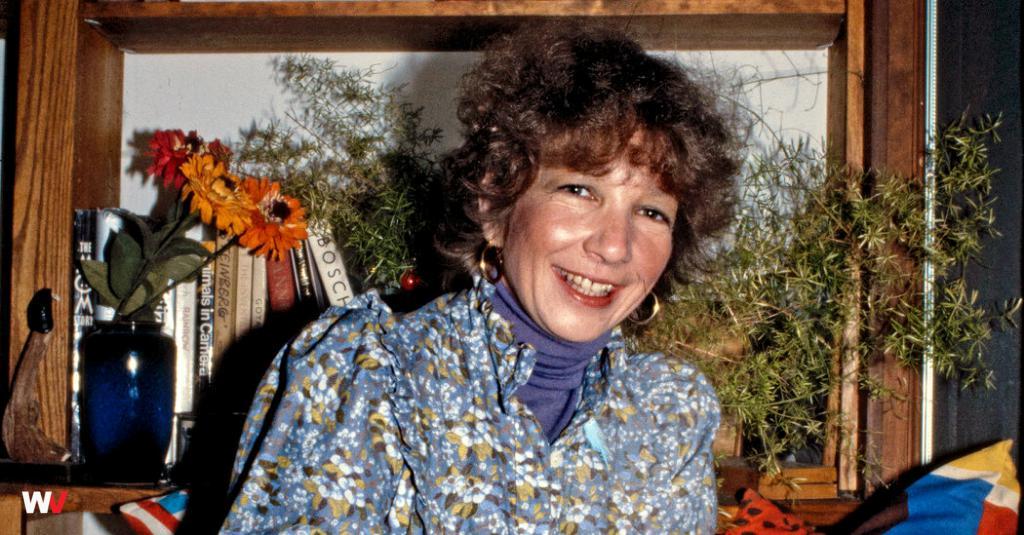
Jill Schary Robinson, an author and journalist who limned her glittering, complicated Hollywood upbringing in much of her work, beginning with her wry 1963 memoir, “With a Cast of Thousands,” and who found fame for chronicling Hollywood’s darker side a decade later in “Bed/Time/Story,” died on July 19 at her home in Beverly Hills, Calif. She was 88.
Her daughter, Johanna Simmel, confirmed the death. She did not specify the cause.
Ms. Robinson was the eldest child of Dore Schary, a playwright, screenwriter and studio mogul who was the head of production at Metro-Goldwyn-Mayer for a time. She grew up in an 18-room Tudor manor in swanky Brentwood — a Hollywood princess chauffeured to birthday parties with all the other Hollywood princesses and princelings, including Jane Fonda (who was an audacious, terrifyingly cool tomboy), Brooke Hayward and Daniel Selznick.
The Schary home was always brimming with movie people: Elizabeth Taylor came to dinner swathed in yellow chiffon and barely spoke. Marlon Brando brought his father. When Clark Gable visited, Jill was so overwhelmed that she spiked a fever (he sent her long-stemmed roses afterward). She was 17 and at an event with her parents when Humphrey Bogart called her out for “being the only virgin in the room.”
Ms. Robinson was 27 when “With a Cast of Thousands,” an arch but loving look at her childhood and its oddities, was published. At the time, she was married to a Navy officer turned stockbroker, working as a copywriter for an ad agency and contributing to Cosmopolitan magazine, and raising two young children. A few years later, she was divorced, strung out on amphetamines, struggling with deadlines and disastrously in love with an alcoholic.
“Bed/Time/Story” (1974), her memoir of that period, was cast as a redemption tale of two catastrophically damaged people, Ms. Robinson and her second husband. It sold briskly — and landed Ms. Robinson both in People magazine and on the talk-show circuit. Annie Gottlieb, writing in The New York Times Book Review, said it was “among the great love stories.”